


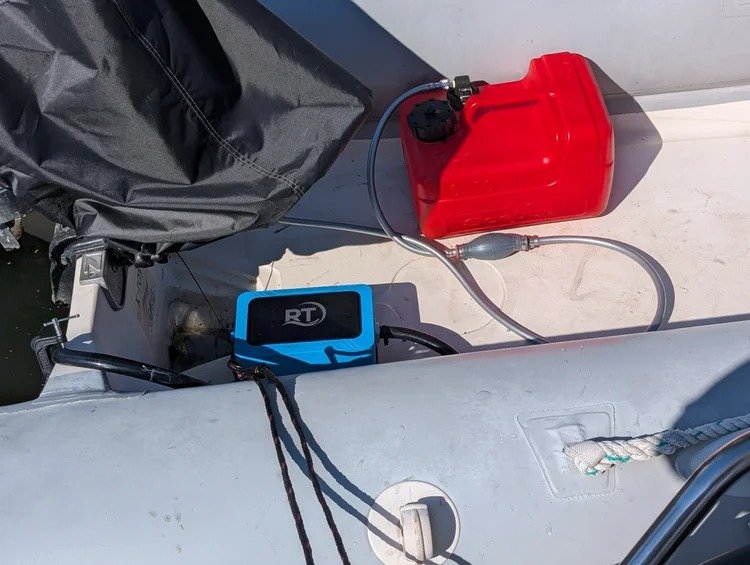
Owning a small vessel—whether it’s a dinghy, a Zodiac, a Whaler, or a classic wooden boat—comes with a specific, recurring headache: water accumulation. Rainstorms, splashing waves, and minor leaks can turn your pristine vessel into a floating bathtub overnight. For years, the solution has been rudimentary at best. You either head down to the dock with a bucket to bail it out manually, or you struggle with complex wiring to install a traditional electric pump that drains your battery.
But technology has finally caught up to the needs of small boat owners. The days of manual labor and dead batteries are fading thanks to the innovation of solar-powered automation. A modern dinghy bilge pump doesn’t just move water; it offers peace of mind. It allows you to leave your boat unattended for weeks, knowing it won’t be swamped when you return.
In this guide, we’ll explore the revolutionary shift towards solar bilge pumps, specifically looking at the features of high-end models like the Raintaker Pro. We’ll discuss why automation matters, how solar technology has evolved for marine environments, and why this might be the last pump you ever need to buy.
The Problem with Traditional Water Removal
If you’ve owned a small boat for any length of time, you know the struggle of water management. It’s not just an inconvenience; it’s a genuine risk to your vessel.
The Manual Bailing Blues
The most common method for small dinghies is the trusty bucket or hand pump. While effective in the moment, it requires your physical presence. If a storm hits while you are away on vacation or simply busy with work, your boat fills up. Excess water adds immense weight, straining mooring lines, damaging the transom, and potentially sinking the boat entirely.
The Battery Drain of Wired Pumps
Traditional electric bilge pumps solve the manual labor issue but introduce a new problem: power consumption. These pumps rely on your boat’s main battery. If the pump runs frequently during a heavy rainstorm, you might arrive at the dock to find a dry boat but a dead battery—leaving you stranded before your day on the water even begins. Furthermore, installing these pumps often requires drilling holes and running wires, which many boat owners are hesitant to do on smaller vessels.
Enter the Solar Solution: Automation Meets Efficiency
The game-changer in marine maintenance is the self-contained, solar-rechargeable dinghy bilge pump. These units, like the Raintaker Pro, are engineered specifically to solve the limitations of buckets and wired pumps.
How Solar Autonomy Works
The core advantage of a solar pump is independence. These units feature built-in solar panels that charge an internal battery. This means the pump doesn’t draw a single amp from your boat’s starter battery. During daylight hours—even on cloudy days—the panel tops up the internal battery, ensuring the pump is ready to run day or night.
For example, high-efficiency models can go from a completely dead battery to a full charge with just 4-5 hours of strong sun. Even better, just one hour of sun exposure provides enough charge to pump the unit up to 30%, which is sufficient to start moving water immediately.
Smart Sensors vs. Float Switches
Old-school pumps often use mechanical float switches. These are prone to getting stuck on debris, either failing to turn on when needed or getting stuck in the “on” position and burning out the motor.
Modern innovations have replaced these with computer-controlled water discharge systems. Internal sensors detect water accumulation—often as little as one inch—and activate the pump automatically. There are no moving parts to get jammed. Once the sensors detect the water is gone, the pump shuts off. This “set it and forget it” reliability is crucial for leaving your boat unattended.
Spotlight on the Raintaker Pro
When discussing the best options on the market, the Raintaker Pro stands out as a prime example of engineering excellence. It is designed from the ground up to be the ultimate dinghy bilge pump, handling fresh, salt, and brackish water with ease.
Unmatched Performance
Size matters in small boats, but so does power. The Raintaker Pro features a custom-designed, high-torque pump capable of moving 1100 Gallons Per Hour (GPH). To put that in perspective, internal testing shows it can remove over 1000 lbs of water on a single solar charge. That is enough to handle significant downpours without breaking a sweat.
Built for the Marine Environment
Saltwater is brutal on equipment. That is why superior pumps utilize 316L Stainless Steel for intake strainers and outlet ports. This marine-grade steel resists corrosion, ensuring longevity whether you are docked in a freshwater lake or a saltwater marina.
Additionally, portability is a key feature. Weighing less than 5 lbs and measuring just 9” x 6”, the unit is easy to move. It includes a 3M foam bottom, which serves two purposes: it provides traction so the pump stays put during high winds, and it protects your boat’s finish from scratches.
Versatility in Application
While perfect for the bilge, these pumps are also excellent for boat covers. Water pooling on canvas covers can stretch the fabric and cause tears. By placing the pump on top of the cover, it removes rain as it falls, protecting your investment. For those with covered bilge areas where the sun doesn’t shine, remote panel kits are available to mount the solar collector outside while keeping the pump in the dark bilge.
Installation and Maintenance
One of the biggest selling points of a portable solar pump is the ease of installation. There is no wiring, no drilling, and no complex electrical work.
- Charge: When you first get the unit, plug it into a wall outlet for a few hours to precondition the battery.
- Place: Set the pump on the floor of your dinghy or the lowest point of your boat cover.
- Route: Run the discharge hose over the side of the boat. The Raintaker Pro comes with a 6.5-foot silicone hose that is easy to cut to length.
- Relax: Walk away. The pump will monitor water levels automatically.
Maintenance is equally simple. Because the unit is sealed and automated, you simply need to ensure the solar panel is kept relatively clean and free of debris to maximize charging efficiency.
Why Quality Matters
It might be tempting to look for cheap, generic pumps, but when the safety of your vessel is at stake, quality is non-negotiable. A reliable dinghy bilge pump acts as an insurance policy.
Leading manufacturers back their engineering with substantial warranties. For instance, the Raintaker Pro comes with a 2-year no-hassle warranty. This level of support indicates confidence in the product’s ability to withstand harsh marine environments, from freezing temperatures (down to 36°F) to scorching heat (up to 110°F).
The Future of Small Boat Care
As boat owners, we are always looking for ways to maximize our time on the water and minimize the time spent on maintenance. The shift toward solar-powered, automated solutions is a massive step in that direction.
By investing in a high-quality solar bilge pump, you aren’t just buying a piece of hardware; you are buying freedom. Freedom from the bucket, freedom from dead batteries, and freedom from the worry that your dinghy is slowly sinking while you sleep.













Discussion about this post