


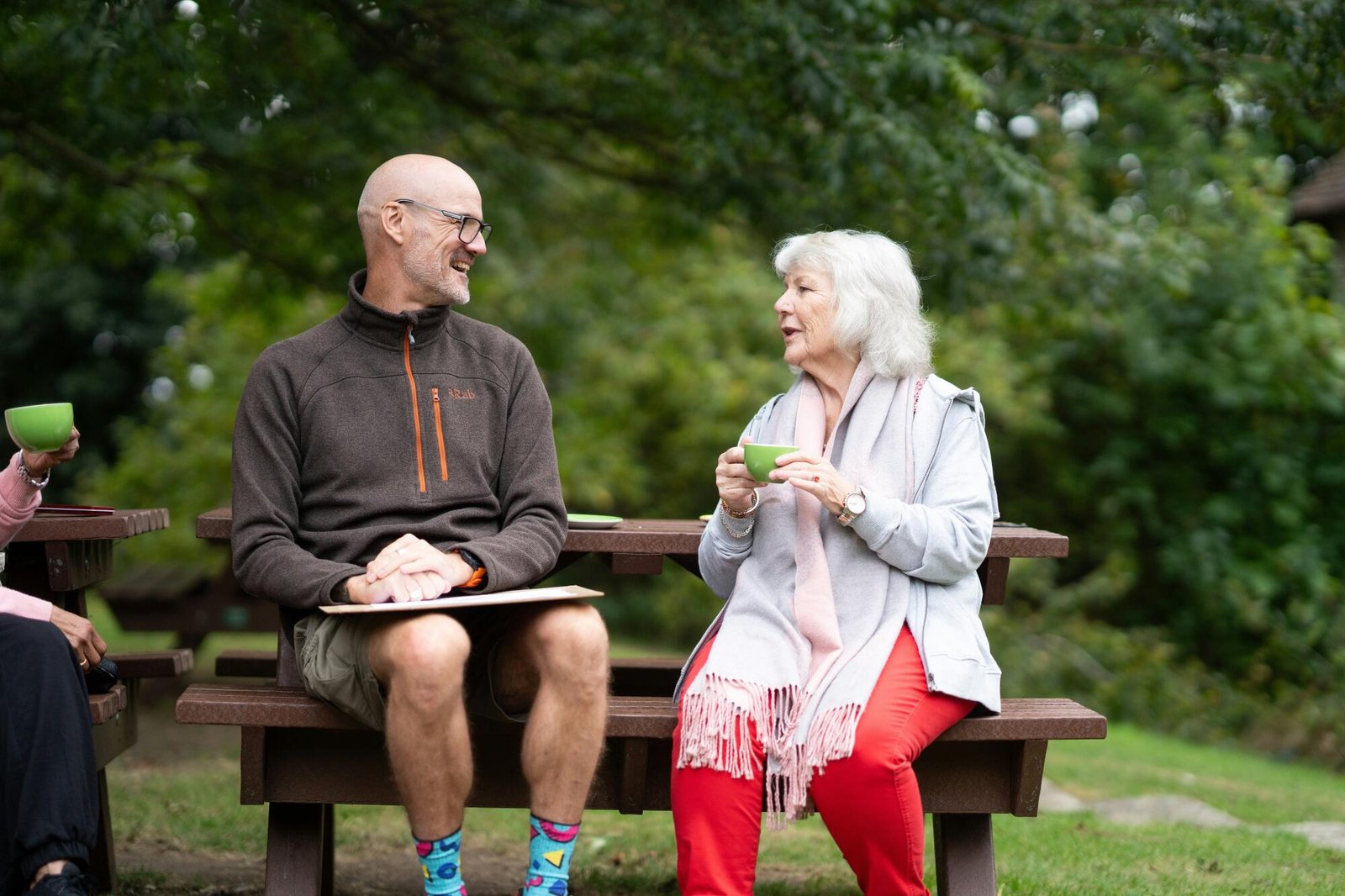
As we age, our minds benefit from spaces that help support thinking, memory, and mood. The design of a senior’s living space plays a big role in mental fitness. Thoughtful changes to a room or outdoor area can make everyday life easier and more rewarding.
In this article, we explore simple, therapeutic space ideas that help keep seniors engaged, calm, and happy.
Natural Light and Views of Nature
Natural light has a calming effect on the brain. Big windows or skylights can bring more daylight into a home. Sunlight helps regulate sleep cycles and boosts mood. When possible, place seating where seniors can enjoy views of trees, gardens, or the sky. Plants near windows also improve air quality and add life to a room.
Color and Contrast for Ease and Comfort
Colors impact how we think and feel. Soft, warm colors like light blues, greens, and pastels can soothe the mind. Avoid overly bright or loud colors that may confuse. Use contrasting colors to help seniors notice edges and objects more easily. For example, a darker chair on a lighter floor can make it easier to see where to sit.
Quiet Zones for Focus and Reflection
Some seniors may feel overwhelmed in busy spaces. Quiet zones give them a calm place to think or relax.
This space should have soft lighting, comfortable chairs, and minimal noise. A small bookshelf with familiar books can make this area feel personal. Quiet zones help reduce anxiety and support mental clarity.
Memory Cues and Familiar Items
Memory-friendly design includes items that spark recognition and comfort. Placing framed photos, meaningful art, or familiar objects can help trigger positive memories. Clear labels on cabinets and doors can guide daily routines. These small cues support seniors with memory challenges in maintaining independence.
Sensory Spaces for Engagement
Seniors often enjoy engaging their senses. A sensory space can include items like soft textiles, scented flowers, or textured objects. Music stations with favorite songs can lift spirits and promote movement.
Sensory spaces allow seniors to connect with the world in a meaningful way. They can also be part of holistic Alzheimer’s mental health support by creating environments that care for the whole person.
Outdoor Areas That Inspire
Outdoor spaces are powerful tools for mental fitness. Gardens, patios, and walkways encourage physical activity and fresh air. Even small outdoor areas with seating and shade can offer big benefits. Nature helps reduce stress and improve focus. Seniors who spend time outdoors often feel more relaxed and energized.
Spaces That Encourage Movement
Movement supports both physical and mental health. Design spaces that are easy to walk through. Wide hallways and smooth surfaces make walking safer.
Placing exercise equipment, like stationary bikes or gentle stretch areas, in easy-to-reach places encourages use. These areas should feel inviting, not intimidating. Gentle exercise routines help boost mood and brain health.
Social Spaces for Connection
Social connection is key to mental health. Group areas like lounges or small dining spaces help seniors interact with friends.
Arrange seating to make conversation easy. Add games and puzzles to these spaces to spark laughter and play. Social spaces help seniors feel less lonely and more connected to their community.
Therapeutic Space That Supports Lifelong Mental Wellness
Designing therapeutic space for seniors is more than decoration. It is a thoughtful way to support mental fitness, memory, and well-being. When spaces are calm, familiar, and inviting, seniors can enjoy each day with confidence. To create supportive and uplifting spaces for seniors, start with these concepts today.
Find solutions tailored to your needs-start exploring more articles today!














Discussion about this post