


Most people pick a rooflight because they saw one they liked online or at a showroom. Then they find it doesn’t suit their property or causes problems they didn’t anticipate. A rooflight that works in one type of building won’t necessarily work in another. Your roof structure, the room’s purpose and your home’s orientation all affect which option will perform best. Understanding these factors before making a purchase prevents regrets and wasted money later on.
Assessing Your Home’s Style and Roof Structure
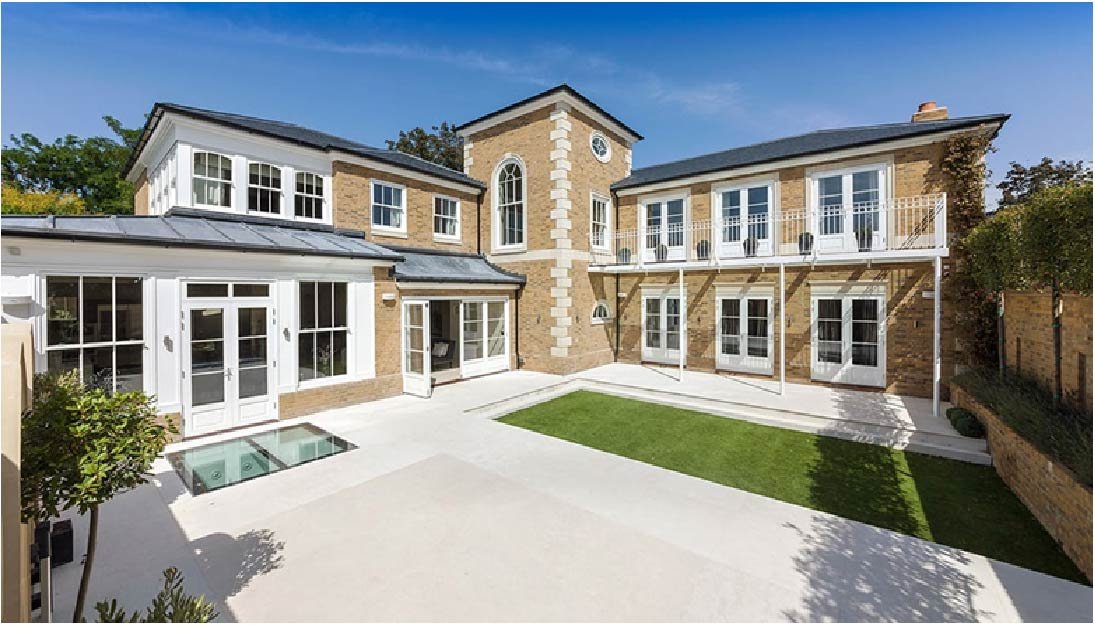
Period properties need more thought. If you have a Victorian or Edwardian house, you’ll probably need conservation rooflights. Planning departments look closely at changes to these buildings. Standard modern designs usually get turned down because they don’t match the original style.
Modern houses give you more options. Flush rooflights or frameless designs work well on properties built recently. They blend into the roofline without standing out.
Your roof structure determines what’s actually possible. Pitched roofs accommodate most rooflight types. Flat roofs require careful water management. Standing water around a rooflight causes leaks.
Check if your roof can handle the weight. Large glass installations are heavy. Some roofs need reinforcement before installation. Skipping this step leads to structural problems.
The angle of your roof changes how light enters the room. A steep pitch sends light deeper into the space. A shallow pitch spreads it more evenly but may limit which products fit properly.
Selecting Rooflights for Different Room Types
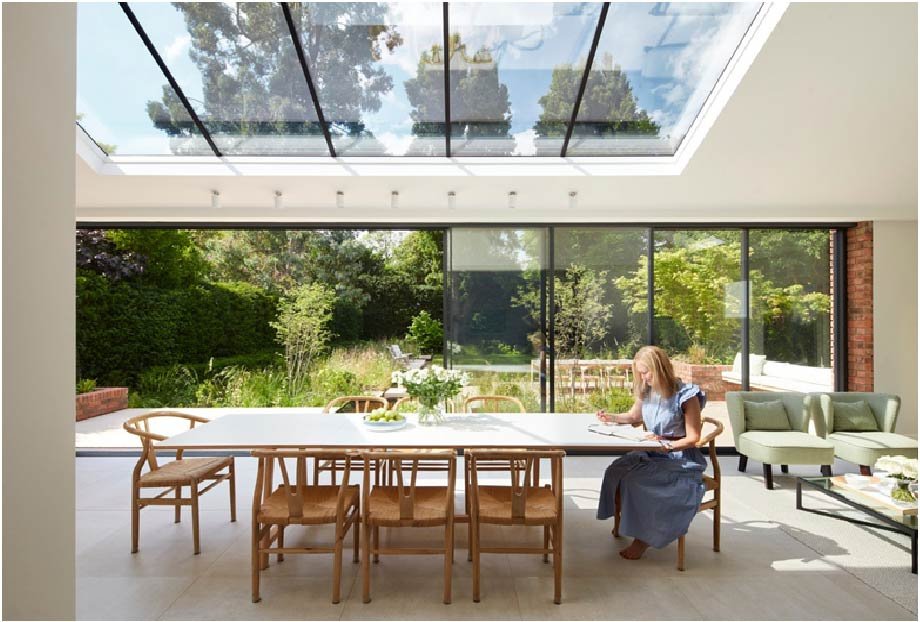
Kitchens work best with rooflights positioned over work areas. Place the light where you actually need it rather than centering it purely for appearance. This makes a noticeable difference during daily use.
Living rooms need thought about furniture placement. Afternoon sun can create screen glare. Position matters more than size.
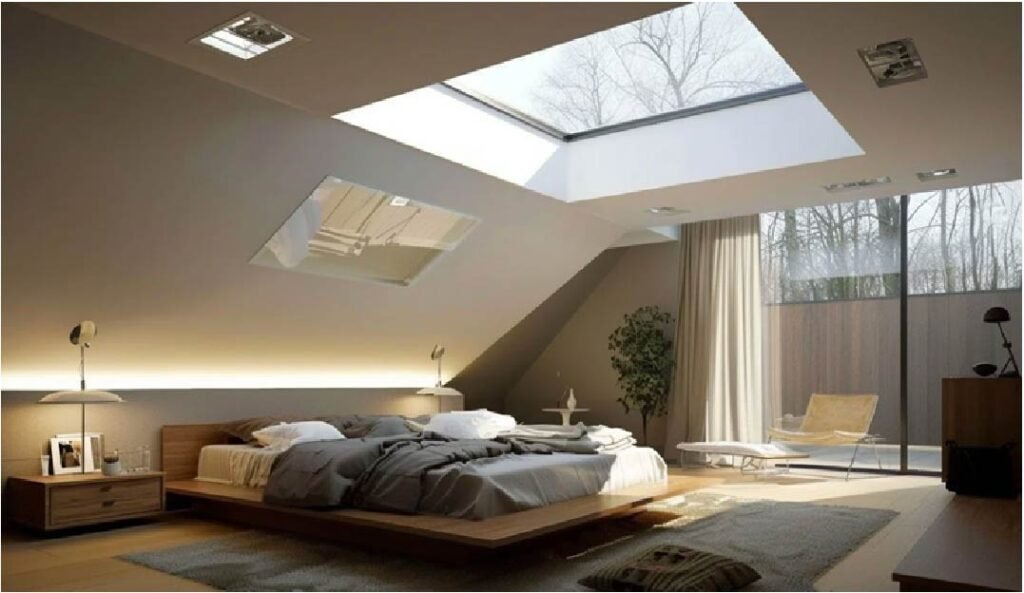
For bedroom skylights, consider your sleep patterns. Morning light helps some people wake naturally. Night shift workers need blackout blinds that block all light. Different people have different needs for darkness.
Bathrooms present privacy challenges. You want brightness without visibility from outside. Frosted glass provides both. Include ventilation because steam condenses on cold glass and drips.
Home offices need steady light without too much variation. Direct sunlight on screens or desks creates problems. North-facing rooflights provide consistent brightness throughout the day.
Considering Energy Efficiency
Glass quality affects your heating costs. Double glazing is standard but triple glazing retains more heat. The gap between panes provides insulation. Low U-values indicate better heat retention.
Your location affects what glass you need. Northern areas can benefit from glass that allows heat in. Southern properties may need glass that reduces solar gain to prevent overheating.
Specialized coatings change performance by season. Some reflect heat out in summer but retain it in winter. These cost more but perform well year-round.
Installation quality matters as much as the glass specification. Gaps around frames allow heat loss. You need installers who seal properly and prevent cold spots around edges.
Some rooflights include solar panels in the frame. These generate electricity while allowing light through. Higher upfront costs are offset by lower electricity bills.
Rooflight Options for Small or Compact Spaces
Narrow hallways and small bathrooms can use tubular rooflights. These channel light through a reflective tube from roof to ceiling. They work in spaces where standard rooflights won’t fit. They’re useful for interior bathrooms without external walls.
Fixed rooflights suit areas where ventilation isn’t needed. They’re simpler to install with fewer components that require maintenance. No moving parts means fewer potential problems.
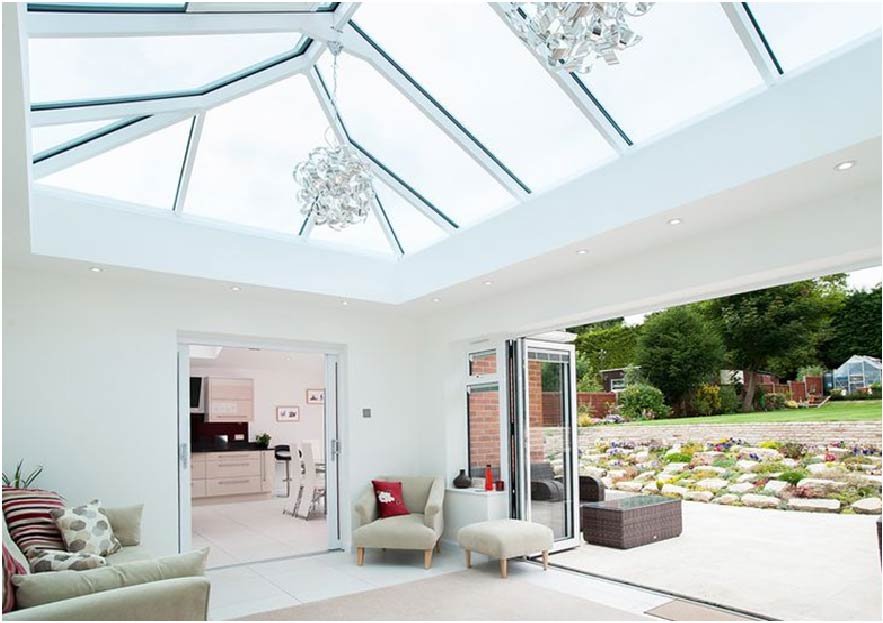
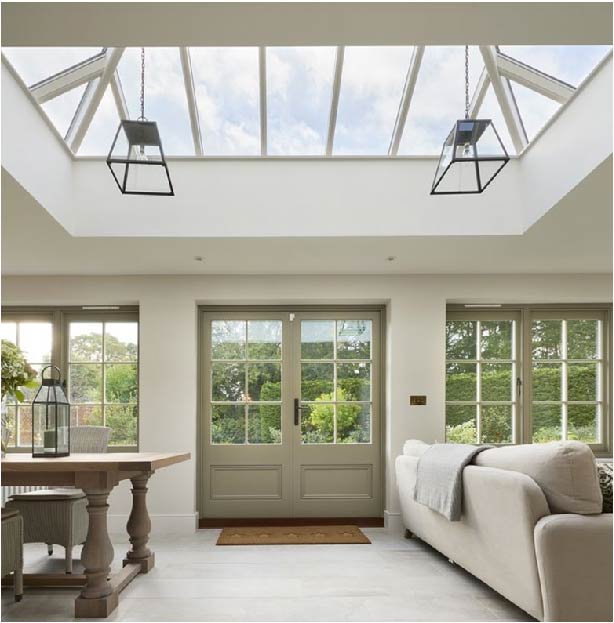
Roof lanterns add perceived height to smaller rooms. The vertical sides make ceilings appear higher. This works well in extensions or compact spaces.
Strategic placement brings light to corners that normally stay dark. A rooflight can illuminate areas regular windows can’t reach. This makes previously unused spaces more functional.
Size requires careful consideration in smaller rooms. Too much glass causes overheating. Too little provides minimal improvement. Around twenty percent of floor area as glazing typically balances these concerns.
Thinner frames allow more light penetration. Modern materials provide strength without bulk. Less frame means more glass area.
Ensuring Proper Rooflight Maintenance
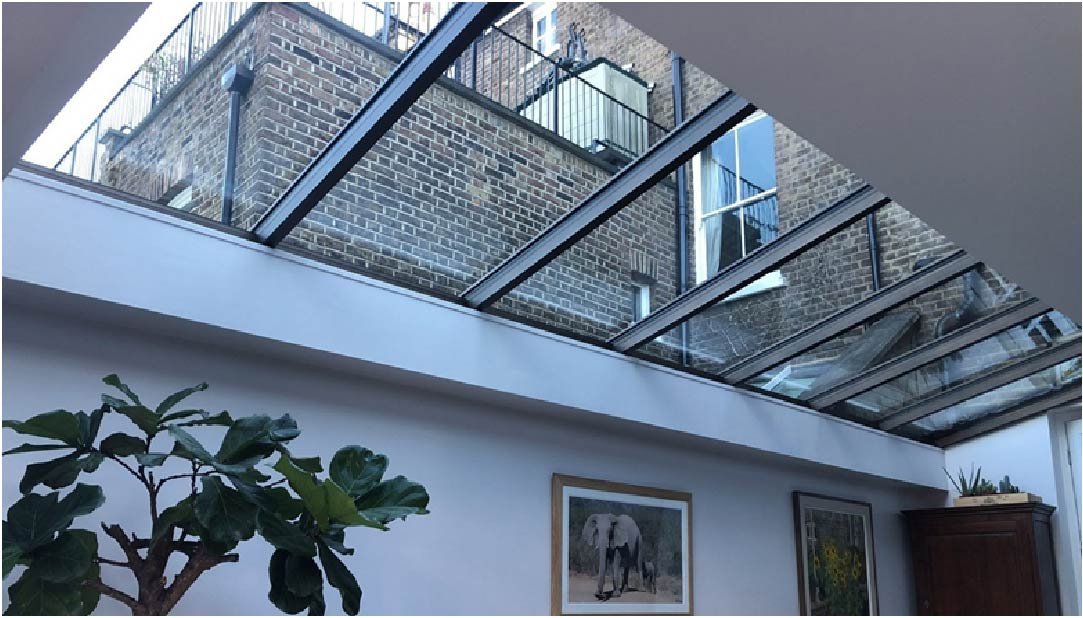
Check seals each autumn before winter. Rubber deteriorates over time and damaged seals allow water in. Replacement is straightforward and cheaper than repairing water damage.
Opening rooflights need moving parts inspected. Hinges require occasional lubrication. Electric openers should be tested regularly to ensure they work when needed.
Keep nearby gutters clear. Blocked gutters overflow and direct water around the rooflight. This overwhelms drainage systems and allows water inside.
Professional inspections every few years identify developing problems. They spot issues before they require urgent repairs. Prevention costs less than reactive fixes.
Conclusion
Picking the right rooflight comes down to knowing your property and what you actually need. Think about your roof’s structure, how much weight it can handle and what happens in the room below. Energy efficiency affects your heating bills so it’s worth paying attention to. Don’t stick a massive rooflight in a tiny room just because it looks good in photos. Keep up with basic maintenance and it’ll last for years. This isn’t a decision to rush through on a weekend. Take your time and get it right.












Discussion about this post