


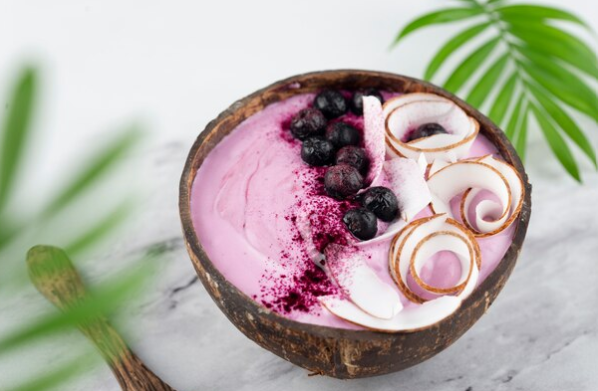
The breakfast landscape has shifted dramatically over the past decade, with consumers increasingly seeking nutrient-dense options that do not sacrifice flavor. Among the most compelling developments is the coconut acai base—a fusion that marries the tropical richness of coconut with the antioxidant density of Amazonian acai berries. What began as a niche offering in coastal smoothie shops has evolved into a mainstream breakfast staple, driven by growing awareness of functional foods and their role in preventive health.
This convergence of coconut and acai represents more than a passing trend. When paired with coconut, whose lipid profile supports satiety and steady energy availability, the combination forms a nutrient-dense base aligned with contemporary functional nutrition goals focused on balance rather than stimulation.
Understanding how this combination works in practice requires examining its nutritional architecture, preparation mechanics, and broader sourcing implications.
Deconstructing the Coconut Acai Base
At its core, a coconut acai base combines two botanically distinct ingredients that complement one another both nutritionally and functionally. Acai berries, harvested from palm trees native to the Amazon rainforest, are naturally rich in anthocyanins—polyphenolic compounds associated with antioxidant activity. Coconut, used in the form of milk, cream, or blended flesh, provides a lipid-rich carrier that tempers acai’s tartness while contributing texture and functional fats.
The effectiveness of this pairing lies in both biochemical compatibility and physical behavior during preparation. From a nutritional standpoint, coconut fats support the absorption of fat-soluble compounds present in acai. From a culinary perspective, coconut provides the viscosity required to create a spoonable base without relying on thickeners or excessive frozen fruit—something lighter plant milks often fail to achieve.
Preparation mechanics play a defining role in outcome quality. Texture is primarily controlled through liquid-to-frozen ratios rather than added ingredients. Beginning with liquid components reduces blade strain and promotes even circulation, while frozen acai should be added gradually. Frozen banana or ice can then be used to fine-tune thickness. This sequencing minimizes uneven blending and air pockets, allowing even standard household blenders to produce consistent results.
A typical foundational formulation includes:
- Frozen acai puree or freeze-dried acai powder (approximately 100–200 g per serving)
- Full-fat coconut milk or coconut cream (roughly 150–250 ml, adjusted for consistency)
- Optional natural sweeteners such as dates or honey
- Frozen banana or ice for texture control
One of the defining advantages of this base is its adaptability. Consistency can be adjusted without compromising structure, and the mild flavor profile accommodates a wide range of toppings and dietary preferences. That said, a coconut acai base should be understood as a nutritional foundation, not a complete meal on its own. It is relatively low in protein and certain micronutrients, which is why complementary toppings are commonly added.
Preparation Methodology and Texture Optimization
Creating an optimal coconut smoothie bowl base requires precise liquid management. The goal is a consistency thick enough to support toppings while remaining smooth and spoonable.
A systematic approach includes:
- Beginning with approximately 150 ml of full-fat coconut milk.
- Adding frozen acai gradually to control thickness.
- Incorporating frozen banana or ice as needed.
- Blending for 45–60 seconds until the texture resembles soft-serve ice cream.
If the mixture becomes too liquid, additional frozen banana can restore structure. If too dense to blend, small additions of coconut milk allow correction without dilution. Toppings such as cacao nibs, fresh berries, hemp seeds, or chia seeds introduce textural contrast while helping address the base’s modest protein content.
Flavor Chemistry: Why Coconut and Acai Work
The sensory success of coconut acai combinations stems from complementary flavor compounds and textural interplay. Acai’s earthy, berry-like profile balances naturally against coconut’s mild sweetness and creamy mouthfeel. From a culinary perspective, this pairing reflects flavor bridging, where shared aromatic characteristics create harmony without dominance.
Both coconut and acai contain subtle nutty undertones that reinforce each other, while their contrasting textures—coconut’s creaminess against acai’s slight graininess—create complexity that keeps the palate engaged.
The nutritional synergy extends beyond individual components:
- Fat-Soluble Nutrient Absorption: Coconut’s fat content enhances absorption of acai’s fat-soluble antioxidants, potentially increasing their bioavailability.
- Glycemic Modulation: The fat and fiber combination slows sugar absorption from any added fruits, creating more stable blood glucose response.
- Satiety Enhancement: The combination of healthy fats, fiber, and antioxidants triggers multiple satiety pathways, supporting appetite regulation.
This biochemical compatibility explains why the combination has persisted beyond initial novelty—it delivers both immediate sensory satisfaction and sustained physiological benefits that consumers notice in their daily energy patterns.
The Sustainability Imperative in Coconut Sourcing
As coconut products have proliferated in Western markets, environmental and social considerations have gained prominence. Monoculture farming, labor practices, and transportation emissions all influence the sustainability profile of coconut-based foods. Investigative reporting, including The Guardian’s examination of global coconut supply chains, has highlighted the importance of transparency and accountability across sourcing regions.
Responsible sourcing addresses multiple dimensions of sustainability. Environmental considerations include farming methods that preserve biodiversity, water management practices, and transportation efficiency. Social factors encompass fair labor practices, community benefit sharing, and preservation of traditional farming knowledge. Economic sustainability ensures that farming communities receive adequate compensation while maintaining long-term viability.
Consumers can support sustainable coconut production through several mechanisms:
- Certification Recognition: Fair Trade, Rainforest Alliance, and USDA Organic certifications indicate adherence to specific environmental and social standards.
- Brand Transparency: Companies that disclose sourcing origins and farming partnerships demonstrate accountability worth supporting.
- Product Format Consideration: Coconut cream and milk typically have lower processing impacts than heavily refined coconut products.
- Regional Awareness: Understanding which regions prioritize sustainable practices helps inform purchasing decisions.
Integrating Coconut Acai Bowls into Daily Nutrition
Coconut acai bowls function most effectively as part of a balanced dietary pattern rather than as a standalone solution. Their strength lies in serving as a flexible nutritional foundation—one that supports energy needs, accommodates diverse toppings, and fits realistically into everyday routines when approached with balance and variety in mind.
Successful integration begins with practical strategies that reduce friction while maintaining nutritional integrity. Preparation efficiency is key to consistency, particularly for busy mornings or active lifestyles. Strategic preparation methods include:
- Batch blending: Preparing multiple base portions in advance and freezing them individually allows for quick, grab-and-go breakfasts without compromising texture.
- Ingredient preparation: Pre-portioning toppings into small containers creates a customizable topping system that reduces decision fatigue while encouraging nutritional variety.
- Seasonal rotation: Adjusting fruits and toppings based on seasonal availability supports micronutrient diversity and aligns with more sustainable food choices.
- Protein integration: Adding hemp seeds, nut butters, yoghurt alternatives, or protein powders helps address the base’s modest protein content, particularly for physically active individuals.
Flavor variation plays an important role in long-term adherence. Rotating between tropical, berry-focused, or cacao-based flavor profiles prevents monotony while expanding micronutrient intake, allowing the base to remain consistent while the nutritional profile evolves.
For those seeking to simplify batch preparation, pre-portioned coconut acai bases from brands like AcaiExotic, Sambazon, and options at Thrive Market eliminate measuring while maintaining consistency.















Discussion about this post