


Introduction
The moment one steps into a kitchen where fresh pasta is being made, the aroma of flour, eggs, and warmth fills the air, evoking memories of heritage and home. In such places, the tradition of handcrafting tortellini has long stood as a cultural hallmark of Italian identity. However, as technology evolves, so does the way we preserve and elevate these culinary legacies. Enter the Tortellinatrice — a machine not merely for convenience but as a cultural bridge between past and future. It shapes, fills, and seals delicate tortellini with precision that respects centuries-old techniques. In this article, we delve deep into the history, design, impact, uses, and forward-looking potential of the Tortellinatrice, revealing how this tool is transforming kitchens across the world.
What is a Tortellinatrice?
Definition and Purpose
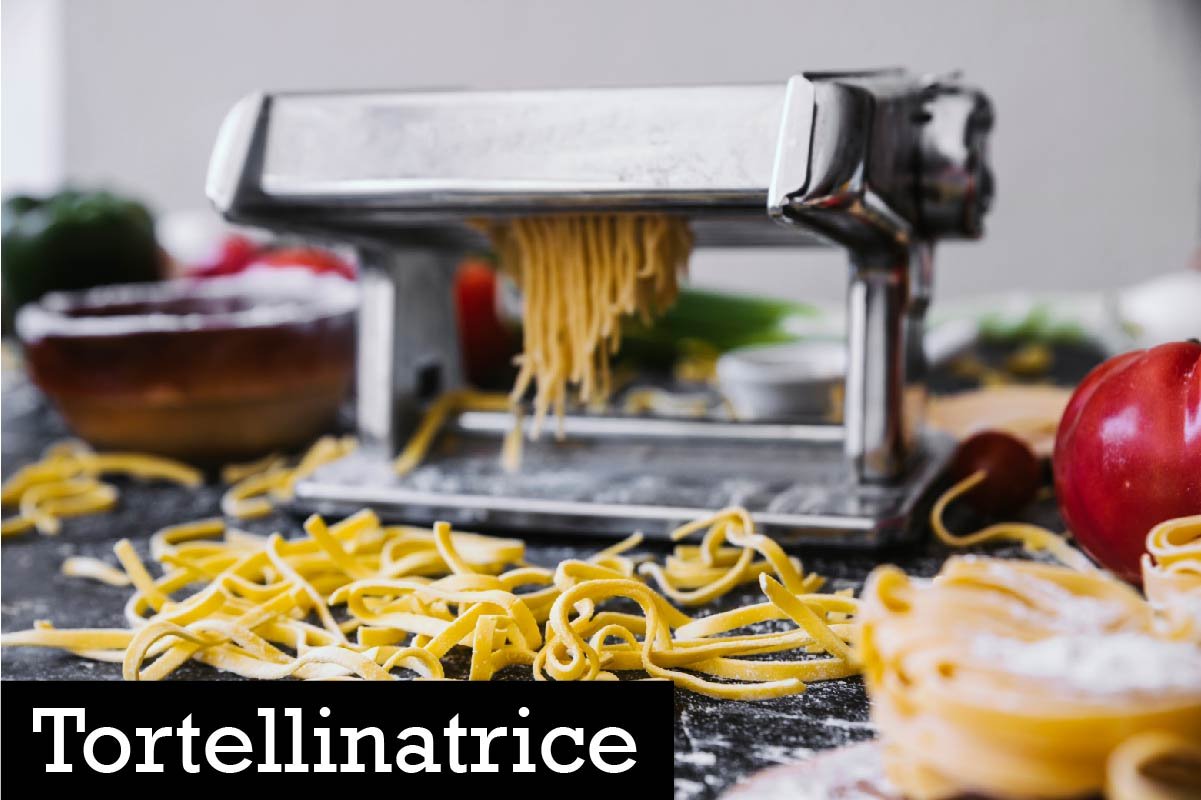
A Tortellinatrice is a pasta machine designed specifically for making tortellini, the iconic ring-shaped stuffed pasta. Unlike standard pasta rollers or extruders that produce sheets or long noodles, this machine performs several precise tasks in one flow: it rolls dough to the correct thickness, deposits the filling accurately, folds the pasta, and seals it into uniform shapes. Some models also trim and cut with adjustable dies, allowing for variations in size and style. What distinguishes the Tortellinatrice is its ability to replicate artisanal-level quality at scale without compromising the authenticity of flavor and form.
Cultural Relevance
In Italian culinary heritage, tortellini holds a special place. Originating from Bologna and Modena, these delicate parcels are traditionally made by hand during holidays and family gatherings. Yet, with the rising demand for fresh, high-quality pasta, the Tortellinatrice has emerged as a symbol of innovation and cultural preservation. It allows chefs, artisans, and even home cooks to maintain tradition while embracing modern convenience, making it indispensable in both artisanal and industrial kitchens.
A Brief History of Tortellinatrice and Tortellini
Roots of Tortellini
The story of tortellini begins in the Emilia-Romagna region of Italy, where legend says it was inspired by the navel of Venus, glimpsed through a keyhole by a curious innkeeper. While the tale is whimsical, the pasta itself has deep religious and festive roots. Families would gather to prepare tortellini for Christmas, weddings, and communal feasts. Over centuries, the recipe evolved, but the shape and spirit remained consistent, symbolizing love, craft, and abundance.
Evolution of the Machine
The first machines resembling a Tortellinatrice emerged after World War II to meet commercial demand. These early models required manual feeding but helped small shops increase output. As culinary technology advanced, so did the machine’s complexity—incorporating semi-automated components in the 1980s and full-scale automation with programmable settings in the 2000s. Today’s models merge tradition with digital control, preserving the tactile essence of handmade pasta while improving efficiency, precision, and hygiene.
How a Tortellinatrice Works
The Core Mechanism
At its core, a Tortellinatrice streamlines multiple intricate steps. First, the dough is inserted and rolled to uniform thickness using calibrated rollers. Next, a filling injector places a measured dollop of stuffing at equal intervals. The machine then folds the dough over the filling, using pressure and heat to seal each piece. Specialized dies shape the pasta into its iconic ring, while cutting mechanisms separate each tortellino. Throughout the process, consistency and cleanliness are maintained to meet culinary and safety standards.
Ingredients and Customization
A Tortellinatrice works best with firm, elastic dough made from durum wheat semolina and eggs. Fillings range from traditional pork and Parmesan to creative options like spinach-ricotta or pumpkin-walnut blends. Advanced models allow for adjustable parameters to accommodate moisture content, dough thickness, and filling viscosity, offering chefs extensive creative freedom while ensuring structural integrity.
Types of Tortellinatrice Machines
Manual Models
Manual Tortellinatrice machines are ideal for artisanal kitchens, food trucks, and culinary schools. Operated by hand, these compact devices allow for creative experimentation and small batch production. Their vintage appeal makes them a favorite among pasta purists and boutique restaurants seeking to offer a hands-on experience.
Semi-Automatic Models
These machines combine manual feeding with motorized sealing and cutting. Perfect for small restaurants and deli counters, they offer a balance of control and efficiency. Operators can adjust each step manually, allowing real-time tweaks to texture and shape while benefiting from consistent output.
Fully Automatic Industrial Models
Designed for large-scale production, these machines can produce thousands of tortellini per hour with minimal human input. Featuring touchscreen interfaces, stainless steel bodies, and multi-stage automation, they meet the demands of pasta manufacturers, frozen food companies, and export markets. Though complex, they significantly reduce labor costs and material waste.
Tortellinatrice and Italian Culinary Heritage
Preserving Authenticity
Despite the rise of mechanization, authenticity remains at the heart of tortellini. Culinary schools in Italy and abroad use the Tortellinatrice not only for training but also for reinforcing traditional recipes. Machines mimic human motion through engineering precision, ensuring each tortellino retains the texture and mouthfeel of a hand-folded one.
Protecting Regional Identity
The Tortellinatrice plays a vital role in sustaining DOP (Denominazione di Origine Protetta) and IGP (Indicazione Geografica Protetta) certifications. By enabling accurate reproduction of regional shapes and sizes, it safeguards local culinary identities. This ensures that Bologna’s tortellini remains distinguishable from Modena’s, preserving gastronomic diversity.
Advantages of Using a Tortellinatrice
For Restaurants and Commercial Kitchens
Speed, hygiene, and consistency are key in professional kitchens. A Tortellinatrice enables chefs to meet high demand without sacrificing quality. It reduces prep time, ensures portion control, and adheres to food safety standards—all essential in modern gastronomy.
For Home Cooks
Compact versions of the Tortellinatrice make fresh pasta accessible to enthusiasts. With intuitive controls and easy-clean parts, home users can recreate traditional flavors without extensive training. The result is a more satisfying, nutritious alternative to store-bought pasta.
For Artisans and Startups
Small food entrepreneurs benefit from the flexibility and efficiency of a Tortellinatrice. It allows for scalable production of gourmet products, facilitating entry into farmer’s markets, boutique stores, and online retail. With low overhead and high output, it serves as a strategic tool for culinary startups.
Comparing Tortellinatrice to Other Pasta Makers
Traditional Extruders vs. Stuffed Pasta Machines
Unlike extruders that push dough through dies to create spaghetti or penne, the Tortellinatrice specializes in filled pasta. It integrates precision mechanics and sealing functions, creating complex shapes that standard machines cannot replicate. The result is higher culinary versatility.
Multi-functional Devices
Some modern Tortellinatrice models include interchangeable components that allow for ravioli, agnolotti, or cappelletti production. This multifunctionality enhances kitchen utility while maintaining the core focus on quality and efficiency.
Economic and Culinary Impact of the Tortellinatrice
Boosting Local and Global Pasta Businesses
The adoption of Tortellinatrice machines has catalyzed growth in the fresh pasta sector. From local pasta shops expanding their capacity to global brands exporting authentic Italian flavors, this machine fuels entrepreneurship and international trade. It democratizes high-quality pasta making.
Supporting Italian Culinary Tourism
Workshops, tours, and classes that use the Tortellinatrice attract food lovers worldwide. These experiences deepen appreciation for Italian cuisine while generating economic activity. The machine serves as both a teaching tool and a tourist magnet.
Maintenance, Cleaning, and Safety
Cleaning Best Practices
Proper hygiene is critical. Users should disassemble components after each use, clean with food-safe brushes, and air-dry thoroughly. Many parts are dishwasher safe, and stainless steel construction resists bacteria.
Maintenance Routines
Routine maintenance ensures longevity. Monthly checks for alignment, blade sharpness, and lubrication prevent mechanical failure. Digital models often feature diagnostic alerts to simplify upkeep.
Modern Innovations in Tortellinatrice Technology
Smart Features
Modern machines offer programmable settings, digital thickness adjustment, and even AI-enhanced filling distribution. These innovations enhance consistency and reduce waste. Some connect to cloud systems for recipe storage and performance tracking.
Sustainable Manufacturing
Manufacturers now prioritize eco-friendly production using recyclable materials and energy-efficient motors. Compact designs reduce shipping footprints, aligning with sustainability goals across the supply chain.
Tortellinatrice in Home Kitchens
Growing Popularity Of Tortellinatrice
The rise of food influencers and cooking channels has fueled interest in home pasta making. Affordable Tortellinatrice models now bring gourmet experiences into everyday homes, transforming weeknight meals into culinary adventures.
Tips for First-Time Users Of Tortellinatrice
Start with simple fillings and firm dough. Avoid overfilling to ensure proper sealing. Practice improves technique, and many models come with instructional videos or recipe guides to assist beginners.
Sustainability and the Tortellinatrice
Waste Reduction
Because the machine dispenses uniform portions, it minimizes waste. Reusable components reduce single-use packaging, and precise output limits ingredient overuse, supporting eco-conscious kitchens.
Green Pasta Trends
Colored doughs made from spinach, beetroot, or squid ink are trending. The Tortellinatrice accommodates such variations, helping chefs create visually stunning, nutritious dishes that align with sustainable eating.
Future of Tortellinatrice
Smart Kitchens
Integration with smart kitchen ecosystems is on the horizon. Machines may soon auto-correct dough consistency using built-in sensors, adjusting parameters for ideal output without manual intervention.
Integration with Culinary Education
Tortellinatrice units are becoming staples in culinary schools, teaching students about precision, hygiene, and efficiency while preserving traditional recipes. It prepares chefs for both heritage and modern demands.
Benefits of Embracing the Tortellinatrice
| Level | Benefits |
|---|---|
| Individual | Fresh pasta, creativity, family bonding |
| Business | High-volume efficiency, cost savings, premium pricing opportunities |
| Cultural | Preserves tradition, promotes Italian cuisine |
| Global | Export potential, culinary diplomacy, sustainable production |
Conclusion
The Tortellinatrice is more than a kitchen appliance—it is a cultural artifact that bridges heritage and innovation. By enabling consistent, high-quality production, it preserves the soul of Italian cuisine while embracing the tools of the future. Whether in a Michelin-starred restaurant or a home kitchen, it empowers creators to honor the past while shaping new culinary narratives. With each fold, the Tortellinatrice invites us to taste history and imagine tomorrow.
(FAQs)
1. What is a Tortellinatrice used for?
A Tortellinatrice shapes and seals tortellini with consistent quality, speed, and hygiene.
2. Can I use a Tortellinatrice at home?
Yes, many compact models are designed for home kitchens and easy to operate.
3. Is handmade tortellini better than machine-made?
Both have their merits, but modern machines can match handmade quality with efficiency.
4. What types of fillings work in a Tortellinatrice?
Traditional and modern fillings like meat, cheese, or vegetables all work well.
5. How do I clean a Tortellinatrice?
Disassemble parts, clean with mild soap, use food-safe brushes, and dry thorough
You Also Like:















Discussion about this post