


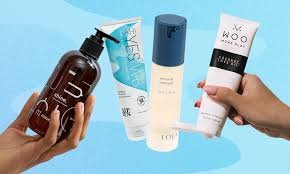
The wellness industry has undergone a quiet revolution in recent years, with consumers increasingly scrutinizing the ingredients in products that come into contact with their bodies. Among the categories experiencing this shift is personal lubricants—a market once dominated by synthetic formulations now making room for plant-based alternatives that prioritize both bodily health and environmental sustainability.
Natural lubricants represent more than a trend; they reflect a broader cultural movement toward ingredient transparency and holistic self-care. Made from botanical extracts and oils rather than petroleum derivatives and synthetic compounds, these products offer a gentler approach to intimate wellness. This article examines what distinguishes natural lubricants from conventional options, their specific benefits for women’s health, and the environmental considerations that make them an increasingly compelling choice for conscious consumers.
Understanding Natural Lubricants: Ingredients That Matter
A natural lubricant is formulated primarily from plant-derived ingredients, eschewing the synthetic chemicals, parabens, and artificial fragrances commonly found in mainstream products. The distinction matters because the vaginal and vulvar tissues are highly absorbent, making them particularly vulnerable to irritation from harsh additives.
Natural alternatives typically use ingredients like aloe vera, plant-based glycerin, and natural oils that work with the body’s chemistry rather than against it.
The advantages of choosing natural formulations include:
- Reduced Chemical Exposure: Plant-based ingredients minimize contact with potentially endocrine-disrupting compounds found in some synthetic lubricants.
- Better pH Compatibility: Natural formulations are often designed to match the vagina’s natural pH range of 3.8 to 4.5, supporting healthy bacterial balance.
- Lower Irritation Risk: Without synthetic fragrances and preservatives, natural lubricants cause fewer allergic reactions and sensitivities.
- Environmental Responsibility: Biodegradable ingredients and sustainable sourcing reduce ecological impact compared to petroleum-based alternatives.
Health Benefits Beyond Marketing Claims
The health advantages of natural lubricants extend beyond simple comfort. Clinical evidence suggests that what we apply to intimate areas can have measurable effects on vaginal health and overall wellbeing.
Natural alternatives formulated without harsh chemicals present fewer obstacles to fertility while still providing necessary lubrication.
- Microbiome Protection: Natural lubricants preserve beneficial vaginal bacteria that defend against infections, unlike some synthetic products that can disrupt this delicate ecosystem.
- Reduced Inflammation: Plant-based ingredients like chamomile and calendula offer anti-inflammatory properties that can soothe rather than irritate sensitive tissues.
- Hormone-Safe Formulations: Without synthetic compounds that may mimic or interfere with hormones, natural options present fewer endocrine concerns.
- Hypoallergenic Properties: The absence of common allergens like synthetic fragrances and dyes makes natural lubricants suitable for those with sensitivities.
For individuals managing conditions like endometriosis, vulvodynia, or vaginal dryness from hormonal changes, the gentler formulation of natural lubricants can make a meaningful difference in daily comfort and intimate experiences.
Specific Considerations for Women’s Health
Women face unique physiological considerations when selecting personal care products, particularly those used in intimate areas. Hormonal fluctuations throughout the menstrual cycle, during pregnancy, and through menopause all affect vaginal tissue and natural lubrication levels.
Natural lubricants offer particular advantages for women navigating these changes:
- Menopause Support: Declining estrogen levels reduce natural lubrication; plant-based lubricants provide relief without the potential risks associated with some synthetic alternatives.
- Postpartum Recovery: After childbirth, sensitive tissues benefit from gentle, healing ingredients rather than harsh chemicals that may impede recovery.
- pH-Balanced Formulations: Women’s vaginal pH is naturally acidic; natural lubricants designed to match this pH help maintain protective bacterial balance.
- Pregnancy-Safe Options: Many natural lubricants avoid ingredients that pregnant women are advised to limit, offering peace of mind during a sensitive time.
When selecting a natural lubricant, women should look for products with transparent ingredient lists, third-party testing certifications, and formulations specifically designed to support vaginal health. Several brands formulate lubricants specifically to match vaginal pH levels, including Good Clean Love, Sliquid, and options available at Target.
Environmental Impact: A Broader Perspective
The environmental footprint of personal care products extends far beyond their immediate use. Synthetic lubricants often contain petroleum-derived ingredients that persist in waterways and can accumulate in ecosystems, while their production contributes to fossil fuel dependence.
Natural lubricants made from renewable plant sources biodegrade more readily, reducing their environmental persistence.
Key environmental considerations include:
- Biodegradability: Plant-based ingredients break down naturally without leaving toxic residues in soil or water systems.
- Sustainable Sourcing: Botanical ingredients can be cultivated using regenerative agriculture practices, unlike petroleum extraction.
- Packaging Choices: Many natural lubricant brands prioritize recyclable or compostable packaging, further reducing waste.
- Manufacturing Impact: Production of plant-based ingredients typically requires less energy and generates fewer greenhouse gases than petroleum refining.
For environmentally conscious consumers, choosing natural lubricants represents one more way to align purchasing decisions with sustainability values—a small change that collectively makes a measurable difference.
Navigating Water-Based Options
Among natural lubricants, water-based formulations remain the most versatile and widely recommended by healthcare providers. They’re compatible with all condom types and sex toys, easy to clean, and less likely to stain fabrics than oil-based alternatives.
When evaluating water-based natural lubricants, consider these factors:
- Ingredient Simplicity: The best formulations contain recognizable plant extracts rather than long lists of chemical compounds.
- Glycerin Content: While plant-derived glycerin is natural, some individuals find it contributes to yeast infections; glycerin-free options exist for those with sensitivities.
- Preservative Systems: Natural preservatives like citric acid or potassium sorbate prevent bacterial growth without the concerns associated with parabens.
- Texture and Longevity: Quality water-based lubricants should provide smooth glide without becoming sticky or requiring frequent reapplication.
- pH Balance: Look for products specifically formulated to match vaginal pH, typically between 3.8 and 4.5.
Reading reviews and consulting with healthcare providers can help identify which water-based natural lubricant best suits individual needs and preferences. The investment in a quality product pays dividends in comfort and peace of mind.
The “Clean” Label: Substance Over Marketing
The term “clean” has become ubiquitous in wellness marketing, sometimes obscuring more than it reveals. In the context of lubricants, however, clean formulations represent a meaningful departure from conventional products laden with questionable additives.
A genuinely clean lubricant should meet several criteria:
- Transparent Labeling: All ingredients clearly listed, with no vague terms like “fragrance” that can hide dozens of undisclosed chemicals.
- Third-Party Certification: Verification from organizations like the Environmental Working Group or USDA Organic provides independent quality assurance.
- Absence of Harmful Compounds: No parabens, phthalates, petroleum derivatives, synthetic fragrances, or glycerin (for those sensitive to it).
- Ethical Production: Cruelty-free testing practices and fair labor standards in ingredient sourcing.
- Minimal Processing: Ingredients that retain their beneficial properties rather than being heavily refined or chemically altered.
Clean lubricants align with a broader philosophy of reducing toxic burden—the cumulative exposure to potentially harmful chemicals from multiple sources throughout daily life. While no single product determines overall health, choosing cleaner options across categories can meaningfully reduce total chemical exposure.
Dispelling Common Misconceptions
Despite growing acceptance, natural lubricants still face skepticism rooted in outdated assumptions and misinformation. Addressing these misconceptions helps consumers make informed decisions based on evidence rather than myth.
Myth: Natural lubricants are less effective than synthetic versions.
Reality: Modern natural formulations match or exceed synthetic products in performance. Plant-based ingredients like aloe vera and natural hyaluronic acid provide excellent lubrication while offering additional skin-nourishing benefits.
Myth: All natural lubricants are oil-based and incompatible with condoms.
Reality: Many natural lubricants are water-based and completely safe for use with latex condoms. Oil-based natural options do exist but are clearly labeled as such.
Myth: Natural products increase infection risk.
Reality: The opposite is often true. Research indicates that pH-balanced natural lubricants support healthy vaginal flora, while some synthetic products disrupt bacterial balance and may increase infection susceptibility.
Myth: Natural lubricants are prohibitively expensive.
Reality: While premium natural options exist, many affordable brands offer quality formulations at prices comparable to conventional lubricants. The cost per use often proves economical given that natural lubricants typically require less product for effective lubrication.
Myth: “Natural” is just marketing hype with no real benefits.
Reality: Clinical research demonstrates measurable differences in how natural versus synthetic lubricants affect vaginal tissue, pH balance, and beneficial bacteria. The benefits extend beyond perception to physiological reality.
Understanding these facts empowers consumers to move past marketing noise and select products based on genuine quality indicators and personal health priorities.
Making the Transition
Switching to natural lubricants represents a straightforward step toward a more holistic approach to intimate wellness. For those accustomed to conventional products, the transition may reveal just how much synthetic additives were contributing to discomfort previously attributed to other causes.
Start by reading ingredient labels carefully, researching unfamiliar compounds, and selecting products from companies with transparent manufacturing practices and strong reputations in the natural wellness community. Pay attention to how your body responds—reduced irritation, better comfort, and improved intimate experiences often follow the switch to natural formulations.
As with any wellness decision, individual needs vary. What works beautifully for one person may not suit another, making experimentation and attention to personal response essential. The growing market for natural lubricants means more options than ever, increasing the likelihood of finding a perfect match for your body and values.
In choosing natural lubricants, consumers vote with their wallets for greater transparency, environmental responsibility, and products designed to work with human physiology rather than against it. It’s a small change with ripple effects that extend well beyond individual health to encompass broader questions of sustainability and corporate accountability in the wellness industry.














Discussion about this post