


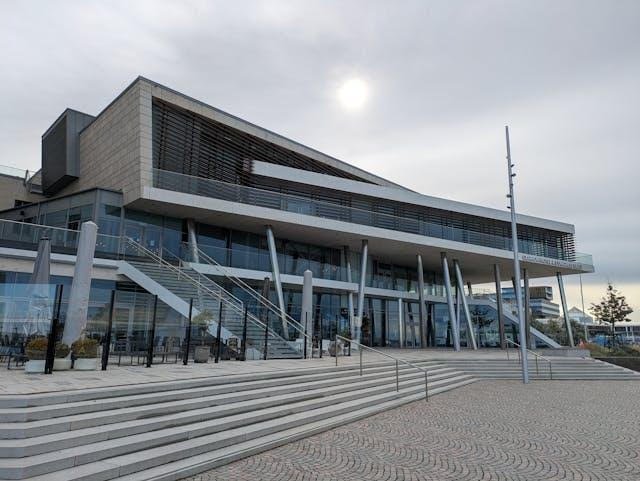
There’s something undeniably compelling about a building that catches your eye. Modern architecture has discovered a secret weapon in metal elements, sophisticated design features that turn everyday structures into conversation starters. These metallic accents aren’t just about looking good, though they certainly do that. They’re working double-duty, enhancing visual appeal while pumping up property marketability and financial value in ways that matter to your bottom line.
The Impact of Metal Façade Features on First Impressions
Your property’s exterior is like a first handshake; it sets the tone for everything that follows. That’s why the façade matters so much when potential buyers or visitors approach. Metal cladding systems, decorative panels, and architectural screening create something flat surfaces simply can’t deliver: dimensional interest. These elements play with light and shadow, introduce texture variations, and add geometric complexity that draws the eye and sticks in memory.
Enhancing Building Identity with Custom Metal Accents
Want your property to stand out from the crowd? Custom metal elements offer that opportunity. These features allow property owners to establish unique architectural identities that genuinely differentiate buildings from everything else on the block. Think perforated metal panels, laser-cut screens, and shaped components that can incorporate logos, patterns, or abstract designs, perfect for commercial properties looking to reinforce brand identity. Residential applications benefit just as much, with custom metalwork reflecting personal style while respecting neighborhood aesthetics and architectural context.
Functional Benefits Beyond Visual Enhancement
Sure, aesthetic improvement drives plenty of metal element installations, but here’s where things get even more interesting. These features deliver substantial functional advantages that contribute directly to property value appreciation. Metal sun control systems reduce heat gain, which lowers cooling costs and improves interior comfort while protecting furniture and flooring from damaging ultraviolet rays. Privacy screens fabricated from metal provide security and seclusion without feeling like fortress walls, they maintain openness while strategically controlling sightlines. Ventilated metal cladding systems actually improve building envelope performance by facilitating airflow that prevents moisture accumulation and extends structural lifespan. When designing building exteriors that require both visual impact and environmental control, architects rely on architectural fins to manage sunlight while creating distinctive façade patterns. The inherent strength of architectural metals provides wind resistance and impact protection, real resilience when severe weather conditions roll through. There’s also this: energy-efficient performance documentation associated with metal installations can qualify properties for green building certifications that further increase market value, particularly appealing to environmentally conscious buyers who appreciate verifiable sustainability credentials.
Material Selection and Longevity Considerations
Not all metals are created equal, and that matters when you’re thinking about both immediate visual impact and long-term value retention. Aluminum brings excellent corrosion resistance and lightweight properties to the table, simplifying installation while delivering decades of maintenance-free service even in harsh environments. Stainless steel offers unmatched durability and contemporary aesthetics that suit high-end commercial and residential projects, situations where longevity justifies the higher initial investment. Copper and bronze take an interesting approach by developing natural patinas over time, creating evolving visual character that many property owners find increasingly valuable and distinctive as years pass.
Integration with Sustainable Design Principles
Here’s something worth noting: contemporary property buyers increasingly prioritize environmental responsibility, which makes sustainable metal element selection a genuine value-enhancing strategy for forward-thinking property owners. Recycled metal content in architectural products reduces environmental impact while delivering identical performance to virgin materials, a win-win that appeals to eco-conscious markets. Metal’s inherent recyclability ensures architectural elements retain material value at end-of-life, contributing to circular economy principles that resonate deeply with sustainability-focused buyers. Reflective metal surfaces can be strategically positioned to redirect natural light into building interiors, reducing artificial lighting requirements and the energy consumption that comes with them.
Installation Quality and Professional Execution
Here’s the truth: even the finest architectural metal elements won’t add value if they’re poorly installed. The value-adding potential depends critically on professional installation that ensures proper performance and visual precision throughout the product’s lifespan. Qualified installers understand thermal expansion requirements, proper fastening techniques, and waterproofing details that prevent future maintenance headaches and premature deterioration. Poor installation can actually negate the aesthetic and functional benefits of premium metal products, creating liability issues that diminish rather than enhance property value.
Conclusion
Architectural metal elements represent powerful tools for property value enhancement, delivering both immediate curb appeal improvements and long-term financial returns that make them worth considering seriously. The combination of aesthetic versatility, functional performance, and material durability positions metal installations among the most effective property upgrade strategies available to discerning owners who understand the market. Careful selection of metal types, finishes, and designs ensures compatibility with existing architecture while creating distinctive visual signatures that strengthen market positioning in tangible ways. Professional installation and quality materials protect these investments and ensure decades of value retention that justifies initial expenditures many times over.














Discussion about this post