


Introduction
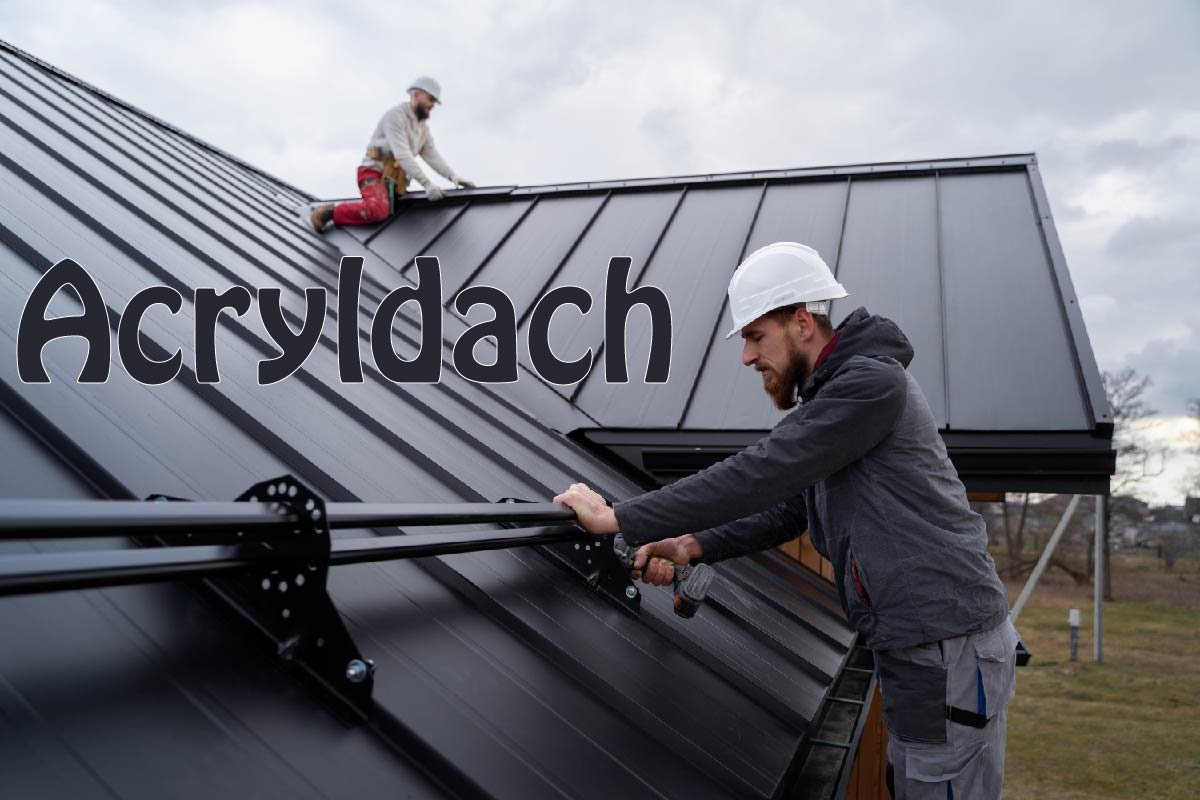
In modern architecture, roofing has evolved far beyond its traditional purpose of shelter. Today, it reflects innovation, energy efficiency, and visual harmony. Among the advanced materials driving this transformation is Acryldach, a remarkable roofing system that blends transparency, durability, and sustainability. Derived from “Acryl” meaning acrylic and “Dach” meaning roof in German, Acryldach refers to acrylic-based roofing structures known for their light transmission and strength. This material has become popular in both residential and industrial projects because it allows natural light to pass through while offering reliable protection from harsh weather. As architects and homeowners pursue more eco-friendly and aesthetically refined spaces, Acryldach provides the perfect balance between form and function. In this detailed guide, you will learn about its material composition, applications, benefits, installation techniques, maintenance, comparisons with other roofing materials, and its growing role in sustainable design across the world.
What Is Acryldach?
Definition and Meaning
The word Acryldach comes from two German terms—“Acryl,” which means acrylic, and “Dach,” which translates to roof. Together, the term describes a roofing system created from polymethyl methacrylate (PMMA), a transparent thermoplastic material. Acryldach panels are strong, lightweight, and visually clear, offering up to 92% light transmission. This transparency makes them ideal for areas that require both illumination and shelter. Beyond aesthetics, Acryldach offers resilience against weathering, corrosion, and ultraviolet rays, ensuring a long service life. Because it combines clarity with robustness, this type of roofing has found applications in modern architecture, greenhouses, and public structures where daylight and safety are essential.
A Brief History and Evolution
Acrylic materials were first developed in the 1920s as a lighter, more flexible alternative to glass. By the mid-20th century, PMMA began to replace glass in industries requiring transparency and strength, such as automotive, construction, and aviation. Over time, designers realized that acrylic could be shaped, molded, and coated to serve as an efficient roofing material. Early uses of Acryldach included skylights and greenhouse covers, where high transparency was crucial. Later, it became popular in carports, patios, and commercial buildings. Today, with improved coatings and advanced polymer technology, Acryldach represents a new generation of roofing materials that unite performance, safety, and sustainability.
Material Composition and Core Properties
What Acrylic (PMMA) Is Made Of
Acryldach is made from polymethyl methacrylate, a transparent plastic polymer known for its optical purity and strength. PMMA consists of carbon, hydrogen, and oxygen molecules arranged in a stable structure that resists impact and weather damage. It allows light transmission of up to 92%, almost equal to glass, while weighing nearly half as much. The material is UV-resistant, ensuring it does not yellow or degrade even after prolonged exposure to sunlight. Its rigidity allows it to hold shape under mechanical stress, making it suitable for curved or corrugated roof designs that enhance airflow and aesthetics.
Key Technical Properties for Roofing
| Property | Description | Benefit |
|---|---|---|
| Transparency | 90–92% light transmission | Maximizes daylight |
| Weight | Half that of glass | Easier installation |
| Impact Resistance | Shatter-resistant | Safer for homes |
| UV Resistance | Withstands sunlight | No yellowing |
| Thermal Behavior | Expands/contracts slightly | Needs flexible fixing |
| Lifespan | 15–30 years | Long-term durability |
Acryldach’s optical clarity provides bright interiors while reducing the need for artificial lighting. Its light weight simplifies handling during installation, lowering transportation costs and structural load. With proper coatings, it remains clear and strong for decades, making it a smart long-term investment.
Variants and Thickness Options
Acryldach panels come in multiple configurations—flat sheets, corrugated panels, and multi-wall systems. Thickness usually ranges from 2 mm to 16 mm depending on the purpose. Thicker sheets offer better insulation and impact resistance, while thinner panels suit decorative or lightweight installations. Modern variants include anti-scratch, anti-glare, UV-coated, and heat-control panels. Multi-wall panels have internal air layers that reduce heat transfer, improving energy efficiency in warm climates.
Common Applications of Acryldach
Residential Uses
In homes, Acryldach is often used for patios, verandas, carports, greenhouses, and skylights. It transforms shaded areas into bright, welcoming spaces by allowing sunlight to filter through naturally. This makes living areas appear larger and more open. Acryldach also enhances aesthetic appeal while maintaining durability against wind, dust, and rainfall. Its transparent nature creates seamless indoor–outdoor transitions that align perfectly with modern architecture.
Commercial and Industrial Uses
Commercial and industrial buildings use Acryldach to improve natural lighting and reduce energy costs. It is installed in warehouses, factories, shopping centers, and greenhouses where illumination and protection are essential. In industrial setups, skylights made of acrylic help reduce electricity usage while maintaining uniform brightness. Public facilities such as bus stops, walkways, and sports pavilions benefit from its combination of clarity, strength, and low maintenance.
Architectural and Design Applications
Architects value Acryldach for its creative flexibility. It is used in transparent domes, atriums, and glass-like façades that create futuristic appearances. Its formability allows curved and textured roofing that enhances ventilation and light diffusion. Designers use tinted Acryldach panels to control brightness while adding color harmony to structures, demonstrating how functionality and design can coexist seamlessly.
Comparison with Other Roofing Materials
| Feature | Acryldach (Acrylic) | Polycarbonate | Glass | Metal |
|---|---|---|---|---|
| Weight | Very light | Light | Heavy | Heavy |
| Transparency | Excellent | Good | Excellent | None |
| Impact Resistance | Moderate–High | Very High | Low | High |
| UV Resistance | Excellent | Moderate | Poor | High |
| Maintenance | Low | Low | Medium | Medium |
| Cost | Medium | Higher | High | Variable |
Acryldach combines the best traits of other roofing materials. It is lighter and clearer than glass while offering superior UV resistance. Although polycarbonate is tougher against impact, acrylic maintains its clarity for longer and resists yellowing. Compared to metal roofs, Acryldach provides natural lighting without heat buildup, making it ideal for energy-efficient designs.
Installation Guide for Acryldach
Planning and Measurements
Proper planning ensures longevity. Measure the roof area accurately and determine the required panel thickness. Consider sunlight angles to optimize daylighting and minimize glare. Always include slope design for smooth water runoff.
Building the Support Structure
A sturdy frame made from aluminum, steel, or treated wood is essential. It must be corrosion-resistant and properly anchored. A slope of at least five degrees helps prevent water pooling and leakage during rainfall.
Cutting and Mounting the Panels
Use saws designed for plastics to avoid cracks. Always leave a 2–3 mm expansion gap between sheets for temperature changes. Secure the panels with rubber washers and UV-protected screws. Apply silicone or rubber seals along the joints to prevent moisture intrusion.
Finishing and Safety Checks
After installation, remove protective films carefully and inspect for alignment. Ensure all edges are sealed to avoid wind damage. Professional installation is recommended for large-scale or high-altitude projects to guarantee safety and precision.
Maintenance and Care Tips
Acryldach requires minimal maintenance but regular cleaning enhances its clarity. Use mild soap mixed with water and apply with a soft cloth or sponge. Avoid harsh chemicals or abrasive tools that can scratch the surface. Clean twice a year to remove dust and pollen that may accumulate. For longevity, use UV-protective cleaners and ensure seals remain tight. Inspect fittings and joints periodically to prevent leaks or stress damage.
Repair and Replacement
Minor scratches can be removed using acrylic polishers. Cracks should be sealed with clear acrylic adhesive for uniform appearance. If panels are severely damaged, replacing them is easy since Acryldach sheets are modular and available in various standard sizes.
Advantages of Acryldach Roofing
Acryldach offers numerous advantages that make it a preferred roofing solution. It allows abundant natural light, creating bright interiors that reduce electricity usage. Its lightweight nature simplifies installation, reducing structural strain and labor costs. The material is resistant to corrosion, moisture, and ultraviolet radiation, ensuring long-term clarity and beauty. Because it does not shatter like glass, it is safer for residential and commercial environments. Additionally, it requires little maintenance and can last up to three decades with proper care. The combination of transparency, safety, and economy makes Acryldach an outstanding modern roofing choice.
Limitations of Acryldach
Despite its benefits, Acryldach has a few limitations. It can scratch if cleaned with rough tools, and expansion during temperature changes must be considered during installation. Although strong, it is not as impact-resistant as polycarbonate. Low-quality acrylic panels may discolor if they lack UV protection. Single-layer sheets provide limited insulation, but this can be improved with double-wall variants. However, these minor drawbacks are manageable with proper material selection and installation practices.
Environmental Impact and Sustainability
Recyclability and Reuse Acryldach
Acryldach supports sustainability because PMMA can be recycled into new sheets. Recycled acrylic retains most of its strength and clarity, making it ideal for sustainable construction projects.
Energy Efficiency Contribution
Because Acryldach allows sunlight to pass through, it reduces dependence on artificial lighting. Its reflective properties prevent heat buildup, making buildings cooler and energy-efficient.
Green Building Integration Acryldach
Acryldach aligns with LEED and green construction standards. It is often used in solar-ready structures, greenhouses, and eco-friendly offices where natural light is prioritized. Its long lifespan reduces waste, contributing to overall environmental balance.
Cost, Market Trends, and Buying Guide
Pricing Factors Acryldach
Acryldach pricing depends on factors like panel thickness, surface coatings, tinting, and installation complexity. Custom shapes or UV treatments may increase cost but also extend lifespan.
Average Market Range
Standard Acryldach sheets are competitively priced, falling between polycarbonate and glass. Premium coated panels cost more but last 25–40% longer, offering better value over time.
Current Trends Acryldach
The global roofing market is shifting toward transparent and energy-efficient materials. DIY Acryldach installations are rising, and manufacturers are producing modular roofing kits for homeowners and small businesses. These trends highlight its popularity as a sustainable architectural solution.
Choosing the Right Acryldach System
To choose the ideal Acryldach, consider the balance between design, function, and durability. Select panel thickness based on load requirements, choose tinted or frosted sheets for comfort, and ensure the product includes UV or anti-glare coatings. Always confirm warranty coverage for yellowing or structural defects before purchase. Selecting high-quality panels from reputable brands ensures reliability and long-term performance.
The Future of Acryldach in Modern Architecture
The future of Acryldach lies in innovation and sustainability. Researchers are developing bio-based acrylics to replace petroleum-based polymers. Integration with solar panels and smart home systems will make acrylic roofs intelligent and energy-generating. As urban spaces prioritize sustainable design, Acryldach will play a leading role in combining style, light, and efficiency.
Conclusion
Acryldach represents the perfect synergy of beauty, strength, and environmental consciousness. Its lightweight construction, optical clarity, and durability make it suitable for a wide range of structures—from homes to commercial spaces. With proper installation and maintenance, it remains visually appealing and structurally sound for decades. As the demand for sustainable architecture rises, Acryldach stands out as a versatile and future-ready roofing solution that embodies both practicality and innovation.
FAQs About Acryldach
1. What is Acryldach used for?
It is used for roofs, skylights, patios, and carports where light transmission and protection are needed.
2. How long does an Acryldach last?
High-quality Acryldach panels can last between 15 to 30 years with proper maintenance.
3. Does Acryldach turn yellow over time?
Premium UV-coated panels resist yellowing and maintain clarity for decades.
4. Is Acryldach suitable for hot climates?
Yes, its UV-resistant surface prevents overheating and protects interiors from harmful rays.
5. How do you clean and maintain Acryldach?
Use mild soap and water with a soft cloth, avoiding abrasives or harsh chemicals to maintain surface clarity.
More Article Links :
Doodflix: Free Streaming App or Legal Trouble Ahead?
Vyxarind Qylorith: Unlock the Future of Balance & Innovation














Discussion about this post