


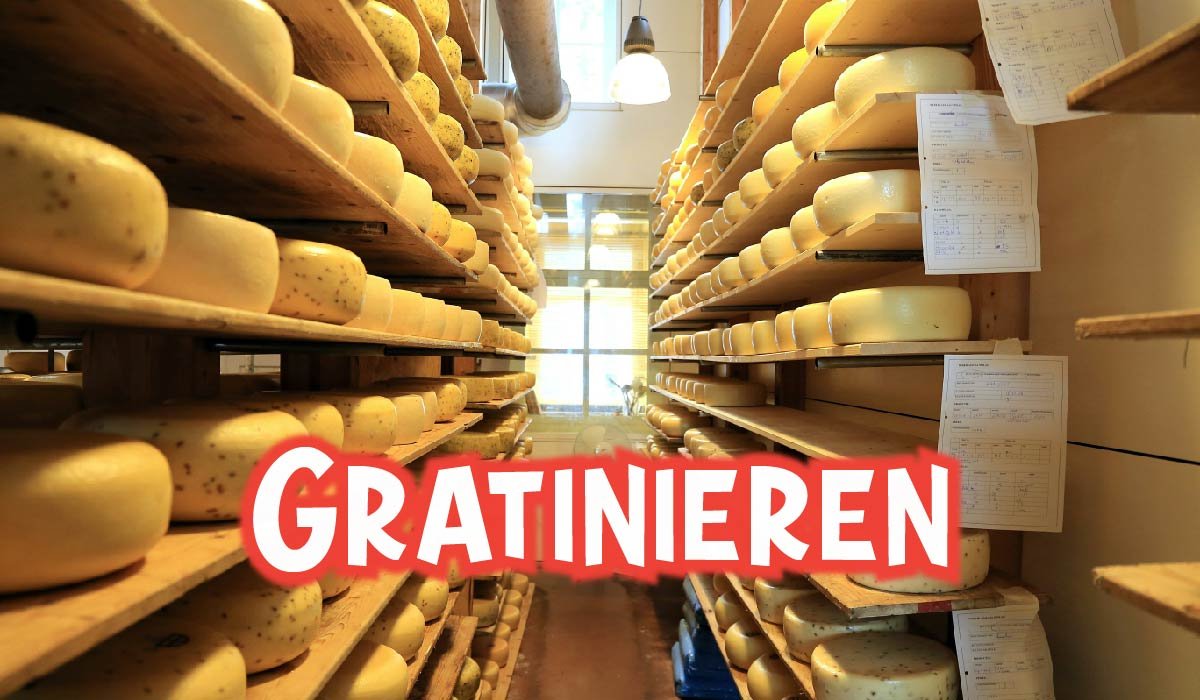
Gratinieren is a culinary technique that creates a golden, crispy crust on the surface of a dish by using high top heat, usually with cheese, breadcrumbs, or butter as a topping. Many people ask, what is gratinieren, because they confuse it with baking. However, the gratinieren technique refers specifically to browning the top layer, not cooking the entire dish. The word comes from the French term “gratin,” which describes a crust formed through oven heat. Understanding the gratinieren meaning helps clarify the difference between baking and gratinieren. Baking cooks food evenly throughout, while gratinieren focuses on surface caramelization. Furthermore, chefs use this method to enhance texture, deepen flavor, and improve visual appeal.
What Does Gratinieren Mean?
Gratinieren is a cooking technique in which a dish is baked or broiled with a topping such as cheese, breadcrumbs, or butter until a golden, crispy crust forms on the surface. The purpose of this method is to create contrast between a soft interior and a browned exterior. That contrast delivers texture and deeper flavor. Importantly, gratinieren refers only to the finishing crust stage. The base ingredients usually cook beforehand. Therefore, the method enhances a dish rather than defines the entire preparation process.
The History and Origins of Gratinieren
The technique originates from French culinary tradition. In eighteenth-century France, cooks used “gratin” to describe crusted dishes baked in shallow pans. The word likely relates to scraping crust from cookware. Traditional potato gratin became popular in rural kitchens because it used simple ingredients. Over time, French onion soup adopted the method with melted cheese topping.
As French cuisine spread across Europe, chefs adapted the technique locally. German, Swiss, and Italian kitchens embraced it enthusiastically. Modern kitchens now apply gratinieren to vegetables, pasta, seafood, and even desserts. Although styles vary, the core principle remains identical: controlled top heat creates an appealing crust.
The Science Behind Gratinieren
Understanding food science improves results significantly. The Maillard reaction plays a central role. This reaction occurs when proteins and sugars meet high heat. It produces browning and complex flavor compounds. Caramelization also contributes when sugars break down under heat. Cheese browns effectively because it contains both fat and protein. Fat aids heat transfer, while protein enables browning.
Additionally, surface moisture must remain controlled. Too much moisture prevents crust formation. Therefore, cooks often pre-cook vegetables to remove excess water. Heat intensity matters equally. Top heat or broiling works best because it focuses energy on the surface. Convection heat alone may cook evenly but will not brown properly. Consequently, proper technique depends on understanding these reactions.
Difference Between Baking and Gratinieren
| Feature | Baking | Gratinieren |
|---|---|---|
| Purpose | Cook food through | Create crispy topping |
| Heat Focus | Even heat | Top heat / broiling |
| Texture | Soft interior | Crispy surface |
| Time | Longer | Short finishing stage |
Baking prepares ingredients evenly. Gratinieren finishes them with surface browning. Therefore, the two techniques complement each other rather than compete.
How to Gratinieren Properly
First, prepare base ingredients completely. Many vegetables require partial pre-cooking. Second, add sauce carefully to maintain balance. Excess liquid prevents browning. Third, apply topping evenly across the surface. Cheese blends often work best. Fourth, activate top heat or broiler setting. Place dish near the upper oven rack. Fifth, monitor closely. Browning can shift from golden to burnt quickly. Finally, allow resting time after removal. Resting stabilizes texture and enhances flavor distribution. Following these steps ensures consistent results.
Classic Dishes That Use Gratinieren
Potato gratin remains the most recognized example. Thinly sliced potatoes layer with cream and cheese. French onion soup features bread and Gruyère browned on top. Cauliflower gratin provides a vegetable-forward variation. Pasta gratin combines cooked pasta with béchamel and cheese. Seafood gratin incorporates shrimp or scallops under a crust. Vegetable gratin uses zucchini, spinach, or eggplant. Each dish relies on surface browning to create appeal. However, preparation techniques vary slightly based on moisture content.
Creative Variations of Gratinieren
Vegetarian options expand possibilities. Zucchini gratin delivers light texture. Eggplant gratin adds depth. Spinach works well with béchamel. Butternut squash creates sweet contrast. Low-carb alternatives include cauliflower and broccoli. Mushrooms also respond well to high heat. Protein-based gratins incorporate chicken or seafood. Tofu provides plant-based protein structure. Therefore, the method adapts easily across diets.
Healthier Ways to Gratinieren
Reduced-fat cheese lowers calorie density. Nut-based crusts add texture and healthy fats. Whole-grain breadcrumbs improve fiber content. Greek yogurt replaces heavy cream effectively. Plant-based cheese options support dairy-free cooking. Additionally, olive oil can substitute butter in many cases. Health-conscious modifications preserve flavor while reducing richness. Therefore, the technique remains versatile even under dietary restrictions.
Common Mistakes When Gratinieren
Too much moisture remains the most frequent error. Vegetables release water during heating. Therefore, pre-cooking becomes necessary. Wrong cheese choice also affects results. Soft cheeses melt but may not brown properly. Overcrowding dish prevents even heat distribution. Burning topping occurs when cooks leave broiler unattended. Not pre-cooking vegetables leads to uneven texture. Using low heat fails to create crust. Consequently, precision determines success.
Tools and Equipment for Perfect Gratinieren
Shallow baking dishes promote even browning. Cast iron pans retain heat effectively. Ceramic dishes distribute heat gently. Broiler function remains essential. Advanced cooks may use kitchen torches for spot browning. However, oven broiling remains safer for beginners. Proper equipment ensures heat control and surface exposure.
Tips from Professional Chefs
Combining cheeses enhances complexity. Adding acidity balances richness. Strategic layering prevents dryness. Brushing butter lightly improves browning consistency. Resting before serving prevents structural collapse. Additionally, chefs recommend tasting seasoning before broiling. Adjustments after browning become difficult. Therefore, preparation stage matters greatly.
Conclusion
Gratinieren represents a refined culinary finishing technique rather than a full cooking method. It enhances dishes through texture contrast and flavor depth. By understanding its French origins and scientific principles, cooks gain confidence in execution. Furthermore, mastering heat control and moisture balance ensures consistent results. The technique adapts across vegetables, pasta, seafood, and proteins.
Health-conscious variations maintain versatility without sacrificing quality. Avoiding common mistakes improves reliability. With practice, any cook can create a professional finish using simple tools. Ultimately, gratinieren transforms ordinary meals into visually appealing and texturally balanced creations that elevate everyday cooking.
FAQs
What does It mean in cooking?
It means browning the top of a prepared dish using high surface heat. It creates a golden crust for texture and flavor enhancement.
Is It the same as baking?
No. Baking cooks ingredients evenly. Gratinieren focuses on finishing the surface with intense top heat.
Which cheese is best for It?
Gruyère, Parmesan, and Emmental brown effectively. They contain protein and fat that promote crisp crust formation.
How long should you gratinieren?
Typically, three to eight minutes under broiler heat suffices. Monitor carefully to prevent burning.
Can you gratinieren without cheese?
Yes. Breadcrumbs, nuts, or butter create effective crusts. Cheese enhances flavor but remains optional.
Also Read :
Listao Tuna: Nutrition, Sustainability, and Taste
Visit For More Info : Holistic Magazine











Discussion about this post