


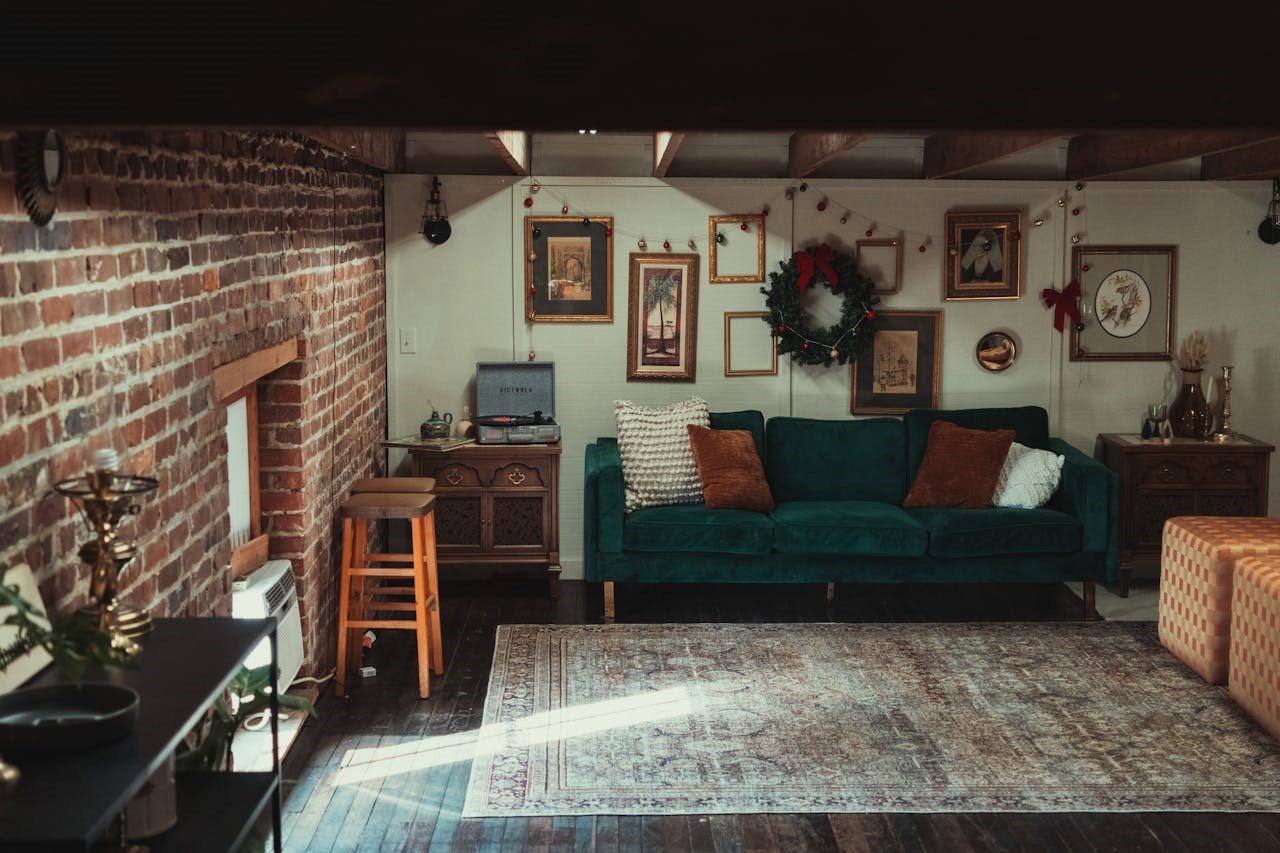
Every home has a personality shaped by its era, layout, materials, and the lives lived inside it. Thoughtful remodeling isn’t about erasing that character or chasing trends—it’s about refining what’s already there. The most successful home updates respect original details, proportions, and craftsmanship while adapting the space for modern comfort, efficiency, and long-term livability.
When remodeling decisions build on the home’s strengths instead of fighting them, the result feels intentional rather than forced. Subtle changes often have the greatest impact, especially when they align with how the house was meant to function in the first place.
Start With the Home’s Architectural Story
Before planning any remodel, it’s worth understanding what gives the home its charm. That might be a craftsman-style porch, original hardwood floors, arched doorways, or a simple mid-century layout with clean lines and open sightlines.
Preserving these features doesn’t mean freezing the home in time. Instead, thoughtful remodeling uses them as anchors. Matching trim profiles, retaining original window placements, or restoring rather than replacing architectural elements keeps the house cohesive even as updates are introduced.
Working with the home’s existing proportions is equally important. Changes that respect ceiling heights, room transitions, and natural light patterns tend to feel seamless, where poorly scaled additions or mismatched finishes can disrupt the home’s visual rhythm.
Upgrade Systems Without Disrupting Aesthetics
Modern systems are essential for comfort and efficiency, but they don’t have to compromise charm. Electrical, plumbing, HVAC, and insulation upgrades can be integrated quietly if planned carefully.
For instance, improved insulation and air sealing enhance comfort without altering visible finishes. HVAC improvements can be paired with modest duct modifications that preserve wall lines and ceiling details. Smart thermostats and discreet controls can modernize climate management without adding visual clutter.
When system upgrades happen behind the scenes, the home benefits from modern performance while maintaining its original feel on the surface.
Kitchens and Bathrooms That Respect the Home
Kitchens and bathrooms carry the greatest remodeling pressure, yet they offer the most opportunity to blend old and new. Instead of chasing showroom trends, thoughtful updates focus on proportion, material quality, and functionality that aligns with the rest of the home.
Cabinetry styles that echo original detailing, tile patterns that reference the home’s era, and fixtures scaled appropriately for the space help these rooms feel like natural extensions rather than interruptions. Modern conveniences—such as improved storage, energy-efficient appliances, and updated lighting—can be layered in without overwhelming the design.
In older homes especially, preserving layout logic often matters more than expanding square footage. Rooms that remain intuitive and balanced are easier to live in long-term.
Roofing and Exterior Updates That Complement Character
The exterior sets expectations for everything inside. Roofing, siding, trim, and color choices should reinforce the home’s architectural language instead of masking it.
Aging roofs present an opportunity not just for protection, but for thoughtful improvement. Material choices, ventilation upgrades, and color selection all influence curb appeal and interior comfort. When planned carefully, a roof replacement can improve energy performance and longevity while staying true to the home’s original silhouette and style.
Other exterior updates—such as repairing rather than replacing wood elements, restoring masonry, or upgrading gutters to match the home’s scale—signal care and craftsmanship rather than quick fixes.
Flow, Function, and Everyday Living
Charm isn’t only visual—it’s experiential. Homes feel charming when they function well for everyday life. Thoughtful remodeling looks for ways to improve flow without over-engineering the space.
Simple changes like widening doorways, improving sightlines between rooms, or adding built-in storage can make daily routines smoother while preserving the home’s character. Natural light should be protected and amplified, not blocked or redirected unnecessarily.
When changes align with how people actually live in the space, the home feels more welcoming, intuitive, and comfortable without losing its personality.
Conclusion
Enhancing a home’s existing charm through remodeling is an exercise in restraint, respect, and intentional design. Rather than replacing what makes a house distinctive, thoughtful updates refine and support those qualities while adapting the space to modern needs.
From system upgrades that stay out of sight to exterior improvements that honor architectural roots, the best remodels feel as though they’ve always belonged. When function, history, and comfort are balanced carefully, a remodeled home doesn’t just look better—it feels more like itself, only improved for the years ahead.














Discussion about this post