


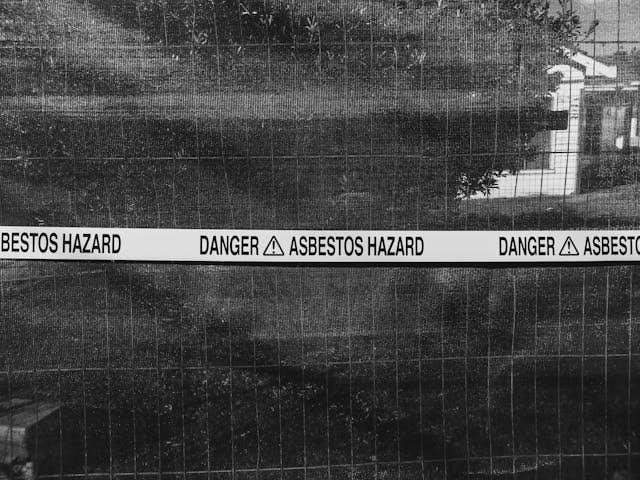
When most people think about asbestos exposure, their minds drift to old buildings with crumbling walls or dusty industrial factories from decades past. But here’s the thing: asbestos contamination reaches far beyond these obvious culprits. This naturally occurring mineral fiber was once treated like a miracle material, and it’s not hard to see why. Its heat resistance? Exceptional. Durability? Unmatched. Insulating properties? Top notch. Throughout the twentieth century, manufacturers embraced asbestos wholeheartedly, weaving it into thousands of products across virtually every industry imaginable. Sure, regulations have tightened up in many countries, but asbestos still lurks in countless everyday items and environments around us. Understanding where this dangerous substance hides isn’t just educational; it’s essential for protecting yourself and your loved ones from potential exposure. The truth is, asbestos remains embedded in our modern world, demanding our awareness and vigilance.
The Hidden Presence in Household Products
You’d be surprised how many household products harbor asbestos fibers—items people use regularly without giving them a second thought. Take older appliances, for instance. Toasters, hair dryers, slow cookers, and space heaters from decades past frequently contained asbestos insulation to shield users from dangerous heat levels. Many vintage kitchen items tell similar stories: pot holders, ironing board covers, and oven mitts manufactured before the nineteen eighties incorporated asbestos fabric specifically for its flame-retardant qualities.
Automotive Industry Applications That Persist
The automotive sector stands out as one of the largest historical consumers of asbestos, and legacy products continue circulating today. Brake pads and clutch assemblies relied heavily on asbestos fibers because they offered exceptional heat-dissipation properties and friction characteristics that were hard to match. Mechanics who work on older vehicles or use aftermarket parts from countries with looser regulations are still facing exposure risks during what should be routine maintenance procedures. Gaskets and seals throughout engine systems incorporated asbestos to prevent leaks under high-temperature conditions that would destroy other materials.
Natural Environmental Contamination Sources
Beyond manufactured products, asbestos occurs naturally in rock formations and soil deposits throughout many regions worldwide. Certain geographic areas contain naturally occurring asbestos deposits that weather and erode over time, releasing fibers into the surrounding environment without any human intervention. Communities built near these geological formations experience elevated background levels of airborne asbestos fibers, which residents unknowingly breathe every single day. Mining operations, both historical and current, have disturbed asbestos-containing rock formations, spreading contamination across vast areas downwind from excavation sites.
Commercial and Public Building Concerns
Schools, hospitals, government buildings, and commercial structures constructed before the 1980s almost certainly contain asbestos materials in various forms throughout their infrastructure. Ceiling tiles, floor tiles, pipe insulation, roofing materials, and textured ceiling coatings commonly incorporated asbestos for fire resistance and structural reinforcement that building codes demanded. Many of these buildings remain occupied and operational today, with asbestos materials deteriorating slowly over time and releasing fibers into the air that occupants breathe without realizing it. Renovation and demolition projects pose the greatest risk because disturbing intact asbestos materials creates massive fiber releases that can contaminate entire buildings and surrounding areas.
Public schools represent a particular concern because millions of children spend significant portions of their developmental years in aging buildings that may contain degrading asbestos materials. Office workers in older commercial buildings may encounter asbestos during ceiling repairs, HVAC maintenance, or structural modifications that seem routine on the surface. The challenge lies in identifying asbestos-containing materials without disturbing them, since visual inspection alone can’t definitively determine asbestos presence. Proper testing and professional abatement protocols are essential, yet budget constraints often lead building managers to defer proper handling, leaving occupants unknowingly exposed to serious health risks.
Occupational Exposure beyond Traditional Industries
While construction workers, shipyard employees, and industrial laborers face well-documented asbestos exposure risks, numerous other professions encounter this hazard in ways most people never consider. Firefighters regularly battle blazes in older structures, exposing them to asbestos fibers that flames release when they damage building materials. Teachers working in aging school buildings may encounter asbestos during seemingly innocent activities like classroom decorating, ceiling repairs, or everyday wear of floor tiles. Electricians, plumbers, and HVAC technicians routinely work around asbestos insulation, gaskets, and fireproofing materials while installing or repairing systems in older buildings where they’re simply trying to do their jobs. When individuals develop asbestos-related diseases from these exposures, it becomes clear that the best treatment for mesothelioma patients is minimizing exposure before illness occurs—though, importantly, advances such as surgery and immunotherapy continue to offer meaningful options and hope for those already living with the disease.
Conclusion
The omnipresence of asbestos in our built environment, natural surroundings, and consumer products reveals a complex public health challenge that goes way beyond simple building material concerns. From naturally occurring geological deposits to countless manufactured products still in circulation, asbestos exposure pathways affect millions of people who remain completely unaware of the risks they face daily. Understanding where asbestos hides empowers individuals to take protective measures, advocate for proper testing and abatement in their homes and workplaces, and make informed decisions about product choices and renovations. While complete elimination of asbestos exposure may be impossible given its environmental persistence and widespread historical use, awareness represents that crucial first step toward minimizing risk.














Discussion about this post