


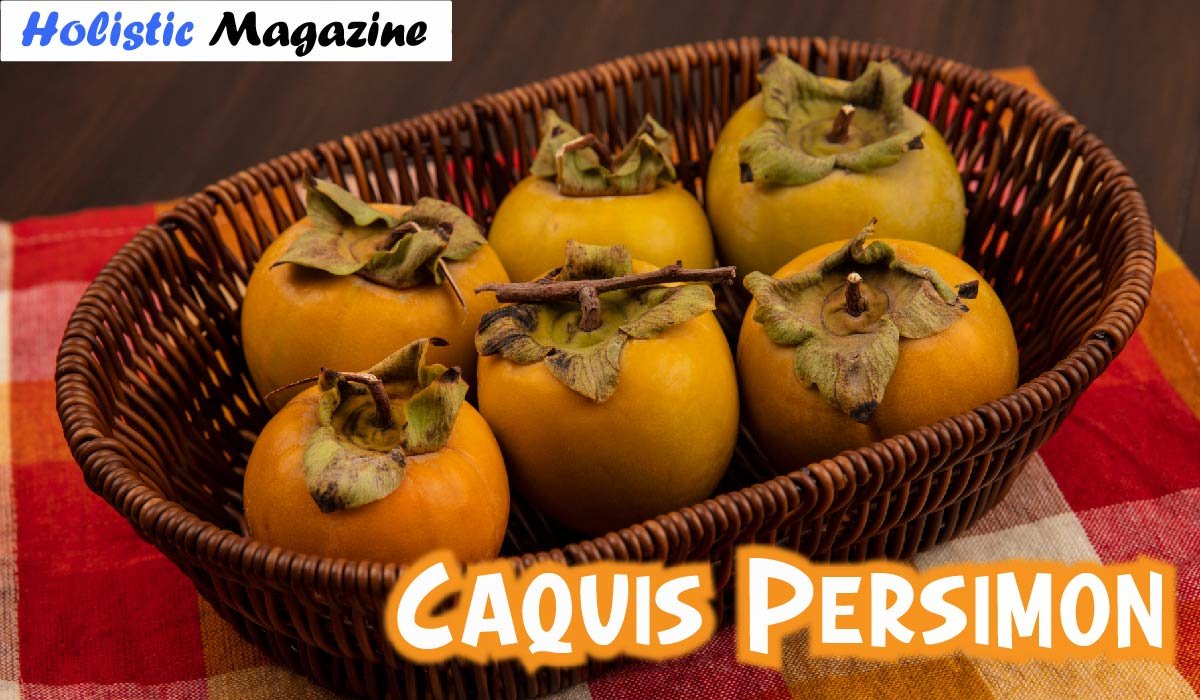
Caquis persimon is a firm, non-astringent variety of persimmon derived from the species Diospyros kaki. This fruit grows mainly in Spain, especially in the Valencia region. Unlike traditional persimmons, caquis persimon stays firm while offering a naturally sweet taste. Farmers remove the fruit’s astringency through a controlled post-harvest process. Therefore, consumers can enjoy the fruit while it remains crisp and fresh. This unique feature distinguishes it from traditional soft persimmons. In addition, the fruit displays bright orange skin and smooth texture. Consequently, many people recognize it easily in markets and grocery stores. Because of its firm texture and sweet flavor, many people compare eating it to enjoying an apple.
What Is Caquis Persimon?
Caquis persimon is a firm, non-astringent form of persimmon derived from Diospyros kaki. Growers mainly cultivate it in Spain, particularly in Valencia’s agricultural regions. Unlike traditional persimmons, this fruit does not require full soft ripening. Instead, a special process removes the natural tannins that cause dryness. As a result, the fruit keeps its crisp texture while maintaining sweetness. Consumers therefore enjoy slicing and eating it fresh. Its balanced sweetness and mild flavor appeal to a wide audience. Furthermore, its glossy orange skin increases visual appeal in markets.
Although it belongs to the same species as persimmon, caquis persimon differs in processing and texture. Growers use a controlled treatment that eliminates astringency. Consequently, consumers can eat the fruit firm instead of waiting for softness. The Valencia region produces much of the global supply. Moreover, the fruit enjoys strong popularity across Europe and expanding global markets.
Botanical Background of Caquis Persimon
The fruit originates from the persimmon tree known scientifically as Diospyros kaki. This tree belongs to the Ebenaceae plant family. Typically, persimmon trees grow medium in height and produce broad green leaves. During autumn, the leaves often turn vibrant red or orange. At that time, the tree produces round orange fruit. The fruit develops gradually during warm growing seasons. Additionally, fertile soil and abundant sunlight improve fruit quality. Farmers carefully monitor irrigation and soil nutrients during cultivation. As a result, the fruit develops sweetness and color.
Persimmon trees thrive in temperate climates with mild winters. Furthermore, the trees require well-drained soil and consistent sunlight. Growers usually harvest fruit during autumn months. At maturity, the fruit reaches a bright orange color and smooth skin texture. Proper cultivation ensures balanced sugar content and healthy fruit development.
Origin and History of Caquis Persimon
Persimmons originally appeared in China thousands of years ago. Ancient farmers cultivated the fruit for its sweetness and nutritional value. Later, cultivation spread to Japan and Korea through agricultural exchange. Eventually, persimmon trees reached Europe and Mediterranean regions. Spain adopted persimmon cultivation during the twentieth century. Spanish farmers recognized the fruit’s adaptability to Mediterranean climate conditions.
Over time, growers refined cultivation methods to improve flavor and texture. Spanish agricultural innovation eventually produced the firm persimon variety. This innovation removed the need for full soft ripening. Consequently, farmers created a convenient fruit suitable for global markets. Today Spain remains a leading exporter of this variety.
Ribera del Xúquer and Protected Designation of Origin
The Ribera del Xúquer valley in Valencia represents the heart of caquis persimon cultivation. This region benefits from fertile soil and Mediterranean sunlight. Farmers in this valley follow strict agricultural standards. Additionally, the fruit holds a Protected Designation of Origin certification. This certification guarantees authenticity and quality. Therefore, consumers recognize the fruit as a premium agricultural product.
The region’s climate provides ideal conditions for persimmon cultivation. Warm summers encourage sugar development within the fruit. Meanwhile, mild winters support healthy tree growth. Consequently, the fruit from this region achieves consistent sweetness and vibrant color. Export markets often prefer fruit produced in this protected region.
Varieties Associated With Caquis Persimon
Rojo Brillante Variety
The Rojo Brillante variety forms the primary basis for caquis persimon production. This variety produces large fruit with deep orange skin. Furthermore, it contains high natural sugar content. Farmers value this variety for its attractive appearance and consistent yield. The fruit also maintains firmness during transportation and storage. As a result, it suits international export markets.
Other Persimmon Varieties
Several other persimmon varieties exist worldwide. Examples include Hachiya, Fuyu, and Sharon fruit. Hachiya persimmons remain highly astringent until completely soft. In contrast, Fuyu persimmons naturally remain non-astringent and firm. Sharon fruit originates from Israeli cultivation. However, Rojo Brillante remains the primary variety used in Spanish persimon production.
What Makes Caquis Persimon Unique
Caquis persimon stands out among persimmons because of its non-astringent nature. Farmers remove tannins through controlled treatment. Consequently, consumers enjoy the fruit without bitterness. Additionally, the fruit maintains firm texture while delivering sweetness. Its bright orange color also increases visual appeal in markets. Furthermore, the fruit offers a longer shelf life compared with soft persimmons. These characteristics make it highly attractive to global consumers.
Flavor Profile and Texture
The flavor profile combines gentle sweetness with subtle honey notes. Some consumers notice hints of melon or mango within the taste. When firm, the fruit offers crisp texture similar to an apple. However, slight softening creates a creamy interior while preserving sweetness. This versatility allows the fruit to suit many culinary applications.
Nutritional Value of Caquis Persimon
| Nutrient | Amount per 100g |
|---|---|
| Calories | 70–75 kcal |
| Carbohydrates | 18–20 g |
| Fiber | 3–4 g |
| Vitamin A | High |
| Vitamin C | Moderate |
| Potassium | Good source |
The fruit contains valuable antioxidants including beta-carotene and polyphenols. These compounds support overall health and reduce oxidative stress.
Health Benefits of Caquis Persimon
Supports Eye Health
Vitamin A and beta-carotene help maintain healthy vision.
Boosts Immune System
Vitamin C strengthens immune response and supports skin health.
Improves Digestion
Dietary fiber promotes regular digestion and gut health.
Supports Heart Health
Potassium helps regulate blood pressure and cardiovascular function.
Provides Natural Energy
Natural sugars provide quick energy during physical activity.
Culinary Uses of Caquis Persimon
Fresh Consumption
Many people simply slice the fruit and eat it fresh.
Salads and Savory Dishes
Slices pair well with leafy greens, cheese, and nuts.
Desserts and Baking
Chefs often use the fruit in cakes, pies, and yogurt dishes.
Smoothies and Juices
Blending the fruit with yogurt creates refreshing beverages.
How Caquis Persimon Is Produced
Farmers harvest the fruit while it remains firm. Afterwards, the fruit enters controlled chambers containing carbon dioxide. This treatment neutralizes tannins that cause astringency. Consequently, the fruit becomes sweet while maintaining crisp texture. Finally, producers package the fruit for distribution.
Harvest Season and Availability
Harvest typically begins in October and continues until January. Markets display the fruit widely during autumn months. Peak availability usually occurs in November and December.
How to Choose and Store Caquis Persimon
Choose fruit with bright orange color and smooth skin. Avoid fruits with visible bruising or soft spots. Store fruit at room temperature for short periods. Refrigeration extends freshness for up to two weeks.
Sustainability and Modern Farming
Modern farms increasingly adopt sustainable irrigation and pest management systems. These practices reduce environmental impact and preserve soil quality.
Global Market and Economic Importance
Spain exports large volumes of persimon fruit to Europe. Germany, France, and the United Kingdom represent key markets. Rising interest in healthy seasonal produce increases demand annually.
Caquis Persimon vs Traditional Persimmon
| Feature | Caquis Persimon | Traditional Persimmon |
|---|---|---|
| Texture | Firm | Soft |
| Astringency | Removed | Present until ripe |
| Eating Style | Like apple | Spoon |
| Shelf Life | Longer | Shorter |
Why Caquis Persimon Is Becoming Popular
Consumers increasingly prefer healthy seasonal fruits. Additionally, Mediterranean diets emphasize natural plant foods. Because this fruit combines convenience with sweetness, demand continues rising.
Conclusion
Caquis persimon represents a remarkable adaptation of the traditional persimmon fruit. Through agricultural innovation, growers created a fruit that combines sweetness with convenient firmness. Its Mediterranean cultivation provides ideal climate conditions for flavor development. Additionally, its nutritional value contributes to healthy dietary choices. The fruit offers fiber, vitamins, and antioxidants that support overall wellness.
Moreover, culinary versatility increases its appeal among chefs and home cooks. Consumers enjoy the fruit fresh, blended, or used in desserts and salads. As awareness spreads internationally, markets continue expanding demand for this seasonal delicacy. Spain remains the central producer and exporter of high-quality persimon fruit. Consequently, caquis persimon stands today as one of the most appreciated autumn fruits worldwide.
Frequently Asked Questions
What is caquis persimon?
Caquis persimon is a firm Spanish persimmon derived from Diospyros kaki.
Is caquis persimon different from persimmon?
Yes. It remains firm because growers remove astringency after harvest.
Can you eat persimon skin?
Yes. The skin is edible and contains additional nutrients.
When is caquis persimon in season?
Harvest usually occurs between October and January.
Is caquis persimon healthy?
Yes. It contains fiber, antioxidants, vitamins, and beneficial minerals.
Also Read :
Gratinieren Explained: Technique, Tips, Science
Visit For More Info : Holistic Magazine












Discussion about this post