


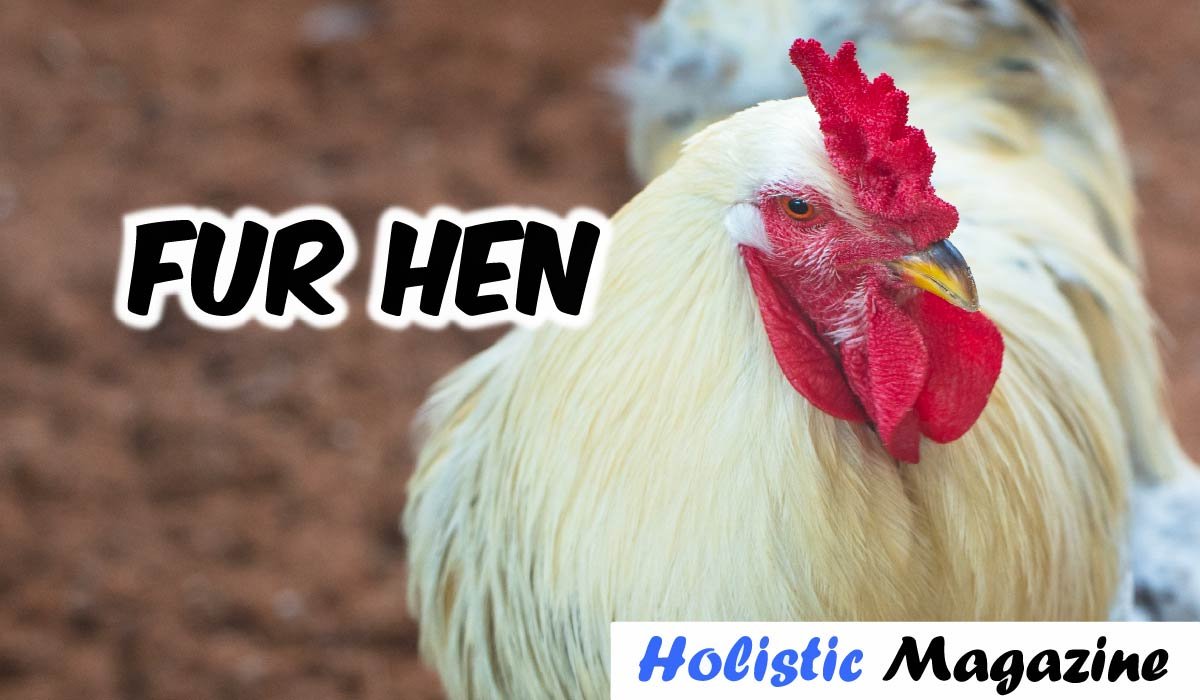
The term fur hen has rapidly emerged as a fascinating point of curiosity and cultural intrigue. While it might initially conjure images of fictional creatures, it actually refers to very real—and very fluffy—chickens that look like they’re draped in plush fur. As of 2026, the fur hen has become more than just a breed category; it’s a multi-dimensional concept, celebrated both in the world of poultry and in cultural design.
This article explores both sides of the term: the real chicken breeds like Silkies and Frizzles known for their soft, fur-like feathers, and the symbolic, artistic interpretation of the term as seen in folklore, fashion, and wellness branding. In doing so, we aim to shed light on the real-world appeal of these birds while also diving deep into the metaphorical and mythological meanings that have helped the concept of the fur hen take flight in modern imagination.
The Real Meaning of Fur Hen: More Than Just a Cute Term
The phrase “fur hen” is widely understood in two distinct yet overlapping contexts. On one hand, it refers literally to certain chicken breeds like Silkies and Frizzles whose feathers resemble fur due to their unique structure. These breeds are celebrated for their docile temperament and irresistible appearance, making them ideal for first-time chicken keepers, children, and backyard pet lovers.
On the other hand, “fur hen” has taken on a metaphorical meaning in cultural discussions and creative spaces, where it is used to symbolize emotional warmth, maternal energy, and a balance between softness and strength. This dual interpretation has allowed the concept to thrive on both practical and symbolic levels, making it appealing to homesteaders, digital artists, fashion designers, and wellness enthusiasts alike. Its adaptability across different domains explains why the term fur hen continues to trend across social media platforms and lifestyle blogs.
Historical and Cultural Origins of Fur Hen
The Poultry Roots
The literal roots of the fur hen lie in ancient poultry breeding practices, particularly in Asia. The most iconic fur hen breed, the Silkie, is believed to have originated in China, although some historical evidence suggests roots in Java or India. Marco Polo himself wrote about a “furry chicken” during his travels in the 13th century, introducing the concept to the Western world.
The Silkie’s distinctive plumage lacks barbicels—the structures that keep feathers smooth and aligned—resulting in feathers that look and feel like fur. Other breeds like the Frizzle, Cochin, and Polish have contributed to this category due to their similarly fluffy or ornamental appearances. These chickens were originally bred for their beauty, friendliness, and ornamental value, especially in royal or aristocratic households. Over time, their popularity expanded, and they became favored pets and show birds across continents.
Mythology and Symbolism
Beyond their biological uniqueness, fur hens carry symbolic weight rooted in folklore and myth. In both Asian and European traditions, animals with hybrid or extraordinary traits were often seen as protectors, guides, or magical entities.
The image of a hen covered in fur aligns with ancient motifs representing transformation, fertility, and nurturing strength. In many folktales, a creature resembling a fur hen served as a household guardian or symbol of maternal comfort. In modern reinterpretations, this symbolism has only deepened, transforming the fur hen into a visual metaphor in art, fashion, and therapeutic environments. It represents resilience wrapped in gentleness—a creature that protects and provides while embodying warmth and grace.
Top Fur Hen Breeds: The Fluffiest Chickens Around
1. Silkie Chickens
Silkies are the undisputed icons of the fur hen world. Their unique feather structure, which feels more like hair or fur, makes them immediately recognizable and beloved across the globe. These chickens are small, quiet, and immensely friendly, often behaving more like pets than farm animals. What sets them apart even further is their black skin, bones, and five-toed feet—traits not found in most other chickens. Silkies are exceptional mothers and frequently go broody, making them ideal for hatching and raising chicks. Their appearance is often described as “teddy bear-like,” and they’re frequently featured in poultry shows and Instagram feeds.
2. Frizzles
Frizzles are not a breed but a feather type that can appear in breeds like Silkies, Polish, and Cochins. What makes them stand out is the way their feathers curl outward instead of lying flat, giving them a wild, whimsical appearance. This feather configuration enhances their “furry” appeal and makes them popular with both hobby breeders and influencers. Frizzles are friendly and curious, though they may require additional grooming and shelter due to their unique feather structure.
3. Cochin and Polish
Cochins are large, fluffy chickens known for their feathered legs and rounded bodies. They are incredibly docile and excellent for cold climates due to their dense feathering. Polish chickens, on the other hand, are medium-sized and instantly recognizable by their extravagant crests, which give them a dramatic flair. Both breeds are often grouped under the fur hen category for their plush aesthetics and calm personalities. They are perfect for ornamental purposes and are often seen in petting zoos or backyard coops.
Breed Comparison Table
| Breed | Fluff Factor | Temperament | Egg Production | Size | Special Traits |
|---|---|---|---|---|---|
| Silkie | ★★★★★ | Gentle | Low | Small | Black skin, 5 toes |
| Frizzle | ★★★★☆ | Calm | Moderate | Varies | Curled feathers |
| Cochin | ★★★★☆ | Friendly | Medium | Large | Feathered legs |
| Polish | ★★★☆☆ | Quirky | Moderate | Medium | Dramatic feather crests |
The Rise of Internet Chciks: Why Fur Hens Went Viral
Fur hens have taken the internet by storm, captivating audiences across TikTok, Instagram, and YouTube. Their visual uniqueness and gentle nature make them ideal subjects for viral content. Videos of Silkies taking baths, Frizzles waddling through grass, and Polish hens showing off their head feathers regularly rack up millions of views.
One user shared, “My Silkie followed me around like a dog and went viral after a garden video.” These charming behaviors, paired with their photogenic looks, have made fur hens the unofficial mascots of a new generation of backyard poultry keepers. With hashtags like #FurHen and #SilkieLove trending, it’s no surprise that these birds have become digital celebrities.
Raising a Fur Hen: Care, Housing, and Egg Laying
Are Fur Hens Good for Beginners?
Fur hens are among the best choices for beginners. Their calm, friendly disposition makes them easy to handle, and they are less prone to aggression or flightiness. Children especially love them for their teddy bear-like look and pet-like behavior. These chickens bond well with their keepers and adapt easily to backyard environments.
Daily Care and Environment
Despite their hardy personalities, fur hens do require specific care. Their feathers are not waterproof, so they must be kept dry and sheltered from rain. Bedding should be soft, clean, and absorbent to prevent matting. Grooming is essential; their fluff can trap dirt or moisture, requiring occasional baths and routine checks for lice or mites. A well-ventilated, predator-proof coop is essential to keep them safe and healthy.
Egg Laying Expectations
Fur hens, especially Silkies and Cochins, are not prolific layers. On average, a Silkie lays around three to four eggs per week. These eggs are small but rich in flavor. If egg production is your main goal, fur hens are best paired with more productive breeds. However, their contribution to a backyard flock goes beyond egg count—they bring personality, charm, and maternal support.
Timeline for Egg Laying
Most fur hens begin laying between five and seven months of age. The exact timing varies depending on breed, nutrition, and seasonal conditions. Signs that a hen is about to lay include increased vocalization, nest box activity, and a reddened comb. Patience and proper care will ensure they settle into a consistent laying rhythm.
Fur Hen in Fashion, Art, and Design
Fur Hen as a Creative Symbol
The fur hen has become a symbol of comforting strength and nurturing elegance in modern creative spaces. Artists, illustrators, and designers use the image of a fluffy hen cloaked in luxurious fur to represent themes of protection, maternal instinct, and whimsical transformation. It has become a frequent motif in storybooks, children’s illustrations, and healing arts.
Fur Hen-Inspired Fashion
Fashion designers have drawn on the fur hen aesthetic to create garments that blend soft textures with structural elegance. Faux-fur coats inspired by Silkie feathers, accessories with feathered crests, and fabric prints with hen imagery have all become part of the trend. Ethical fashion advocates have embraced the concept, highlighting beauty without animal cruelty.
Interior and Product Design
In home décor, fur hen motifs symbolize coziness, warmth, and nurturing. From plush toys to throw pillows, the imagery of the fur hen adds a touch of soft surrealism to interior spaces. The trend aligns well with hygge-inspired living, which emphasizes comfort and emotional wellness.
Fur Hen Symbolism and Psychological Meaning
Psychologically, fur hens symbolize the integration of strength and gentleness. They serve as powerful metaphors for emotional resilience, maternal energy, and self-care. This symbolism has made its way into motivational products, mental health campaigns, and wellness branding. Whether used in visual journaling or as mascots for healing retreats, the fur hen continues to offer comforting symbolism in a chaotic world.
Challenges of Keeping Fur Hens
Feather Maintenance
Maintaining the unique plumage of fur hens requires commitment. Their feathers can trap moisture and debris, increasing the risk of infections. Regular brushing, occasional baths, and vigilant coop hygiene are essential.
Weather Sensitivity
Fur hens do not handle wet or cold weather as well as other breeds. They need dry shelters, heated coops during winter, and extra bedding. Wind and rain exposure must be minimized to keep them comfortable and healthy.
Lower Productivity
If egg quantity is your priority, fur hens may not meet expectations. Their main value lies in aesthetics, behavior, and broodiness rather than consistent egg output.
Fur Hen vs Other Chicken Types
Compared to utility breeds like Leghorns or Rhode Island Reds, fur hens are less productive but far more ornamental. Ideal for those who value interaction, uniqueness, and beauty over sheer utility, fur hens make perfect additions to mixed flocks. Pairing them with high-laying breeds provides balance: beauty and abundance.
The Future of Fur Hens in 2026 and Beyond
In 2026, fur hens are gaining even more attention, not just among poultry enthusiasts but also within fashion, digital art, and virtual pet communities. Ethical breeders are exploring new color varieties and fluffier lines, while digital platforms are turning these birds into mascots and avatars. As sustainability and emotional design become focal points across industries, fur hens—real and symbolic—are expected to remain culturally relevant and adored.
Final Thoughts: Should You Get a Fur Hen?
Fur hens offer more than eggs—they bring joy, warmth, and gentle companionship into any space. Whether you’re building a backyard flock, launching a brand, or seeking symbolic inspiration, the fur hen delivers. It’s a lifestyle choice that celebrates softness, creativity, and heart. With proper care and appreciation, a fur hen will not just live in your coop—but in your story.
FAQs About Fur Hens
1. What is a fur hen?
A fur hen refers to fluffy chicken breeds like Silkies and Frizzles, or a symbolic motif used in art and design.
2. How many eggs does a fur hen lay a day?
Fur hens typically lay one egg every other day, averaging 3–4 eggs per week.
3. When do fur hens start laying eggs?
They usually begin laying between 5 and 7 months, depending on breed and environment.
4. Are fur hens suitable for cold weather?
They require protection from wet and cold due to their non-waterproof feathers. Insulated coops are recommended.
5. What’s the best fluffy breed for beginners?
The Silkie is widely considered the best fur hen breed for first-time chicken keepers.
Also Read :
Juvgwg Explained: Meaning, Uses, Benefits & Future
Visit For more Info : Holistic Magazine














Discussion about this post