


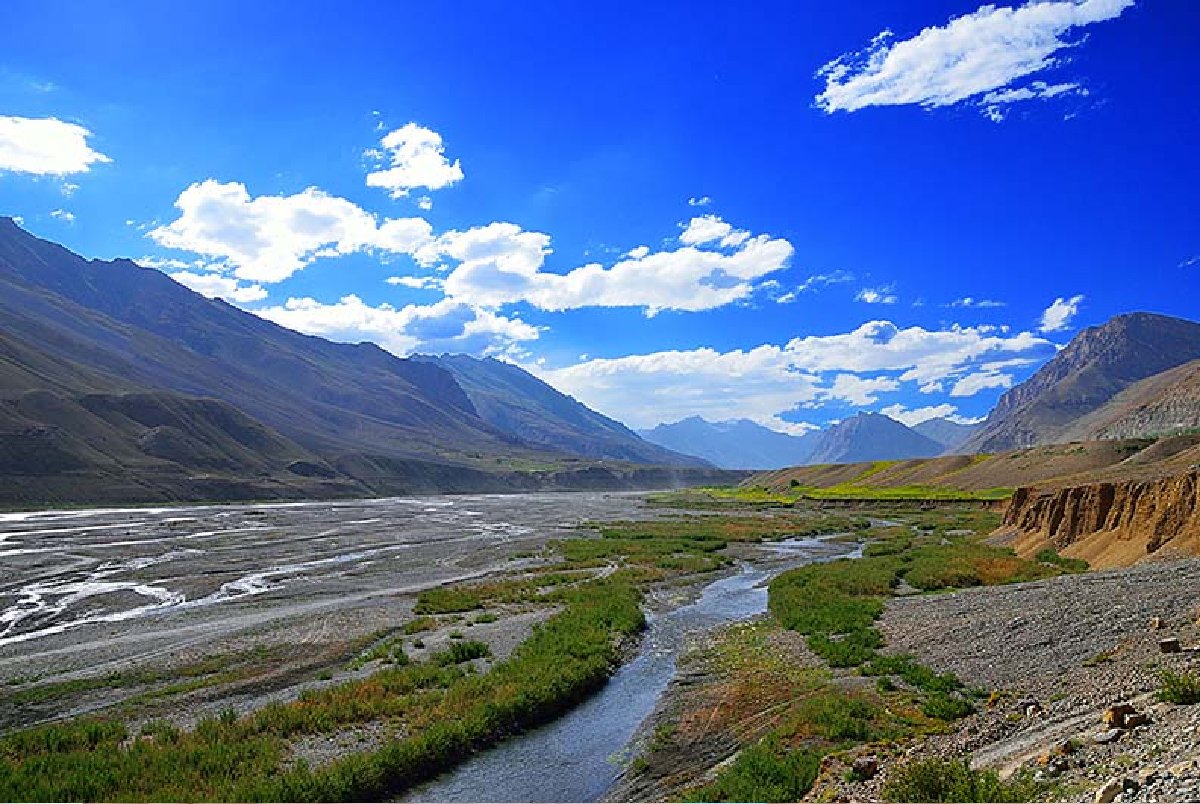
Often nicknamed the “Middle Land,” Spiti Valley provides a stark, breathtaking beauty that humbles even the most experienced tourist. For a region so vast, planning a seven-day vacation could seem daunting, yet it is totally doable with the necessary itinerary setup. To enhance the experience and prevent travel fatigue, it’s crucial to select the correct entry and exit places. The journey promises a mental reset, whether one embarks from the beautiful hills of Shimla or the natural terrain of Manali.
The Strategic Route Decision: Shimla or Manali?
The entire trip’s rhythm is set by the decision between Shimla and Manali. The prudent alternative is to begin in Shimla, mainly due to the gradual ascent. This route allows the body to naturally adjust to the high altitude, as it follows the Hindustan-Tibet Road. Reaching the centre of Spiti takes more time, but there are many cultural riches along the way, such as Kalpa and Nako. On the other hand, the adventurer’s shortcut is to begin at Manali. It is quicker but includes a steep ascent over the challenging Rohtang and Kunzum Passes. To get a comprehensive experience of the valley’s various terrains, many travellers choose to do a seven-day loop, starting in Shimla and ending in Manali.
Gradual Acclimatization and the Scenic Approach
The first few days after coming from Shimla should be devoted to taking in Kinnaur’s serenity. A reasonable introduction to the Himalayas can be received by travelling from Shimla to Sarahan and then to Kalpa. This phase of the voyage is not just about covering distance; it is about slowing down. A spiritual event that sets the tone for the next days is viewing the sunrise over the Kinner Kailash mountain. This cautious approach minimises the possibility of altitude sickness, ensuring that one is in peak physical condition to enjoy the upper sections of Spiti without being limited by headaches or exhaustion.
Finding Comfort in the Rugged Terrain
It’s a prevalent misconception that Spiti exclusively provides modest homestays. The infrastructure has changed considerably, though the hospitality of the locals is unmatched. These days, it’s easy to identify hotels in Spiti that satisfy the needs of business travellers, especially in the centre of Kaza. A variety of options that offer basic amenities like warm rooms, stable Wi-Fi, and sanitary dining facilities are displayed on platforms that aggregate these accommodations. Having a decent hotel to stay in Kaza assures that one will have a clean, comfortable sanctuary to refuel for the next adventure after a day of travelling on tough roads.
The Cultural Core: Monasteries and Moon Landscapes
After adaptation, the focus moves to the valley’s cultural heart, Kaza. It is the best starting place for viewing the famous Key Monastery and the lovely settlements of Hikkim and Langza. Sending a postcard from Hikkim, the highest post office in the world, is a simple but important act that establishes a non-digital connection with the rest of the world. Here, the view changes into a “moon-like” one, with bare mountains stretching far into the sky. This segment of the trip is meditative, providing long lengths of silence that are difficult to come across in the crowded metropolis.
The Blue Jewel: Chandratal and Departure
Without experiencing Chandratal Lake’s ethereal grandeur, a vacation to Spiti would not be complete. If the route permits, spending a night near this lake, or at least visiting it on the way back to Manali, is non-negotiable. The water’s colour shifts in reaction to the sun’s location, giving an incredible natural spectacle. After that, the tour comes to a close as one travels back toward Manali via the tough but gorgeous Atal Tunnel. This return to civilisation is accompanied by a sensation of regeneration, indicating that even a brief week spent in the mountains can bring the mental clarity required to return to the professional world.














Discussion about this post