


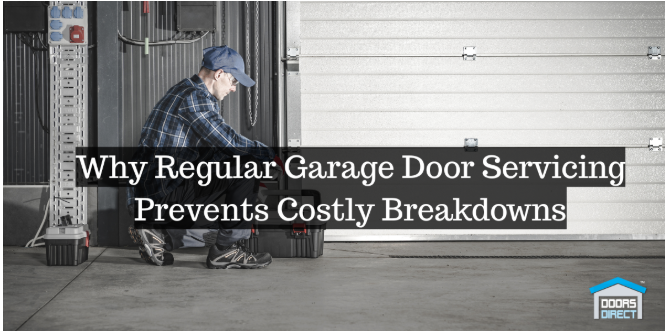
Welcome to our guide on why regular garage door servicing prevents costly breakdowns.
Here at DoorsDirect – garage door repairs, we’ve been looking after Brisbane garage doors since 2008. Over the years, we’ve seen plenty of breakdowns that could’ve been avoided with a bit of routine maintenance. We also know that most garage door failures follow a predictable pattern.
In this guide, we’ll cover:
- How routine servicing prevents expensive repairs
- Which parts fail without maintenance
- Warning signs your door needs attention
- What a professional service includes
Read on for expert advice on how to keep your garage door running smoothly.
How Does Routine Servicing Prevent Expensive Garage Door Repairs?
Routine servicing prevents expensive garage door repairs by detecting worn parts before they fail completely. Since your garage door opens and closes hundreds of times a year, all that movement wears down springs, cables, and rollers. And in our experience, most breakdowns start as tiny issues nobody notices.
We’ll take a closer look at how regular servicing saves you from spending big on repairs.
The Cost of Prevention vs Emergency Repairs
If you spend a small amount of money on regular servicing, it can prevent much bigger repair bills later on. A basic service often costs less than a tank of petrol, while emergency garage door repairs can cost five or six times more.
In most cases, it’s the same issue… just caught early instead of after it’s failed and requires a new garage door.
For example, a worn roller is cheap to fix during a routine visit. But if you let it seize up and damage your tracks, you’ll have a bigger job on your hands.
Seriously, most of the expensive repair requests that come through our doors could’ve been sorted with a simple yearly check.
Pro tip: Use a silicone-based lubricant instead of grease on moving parts to prevent buildup.
Why Brisbane’s Climate Puts Extra Stress on Your Door
Have you ever noticed that rust forms faster here in Brisbane than in other parts of Australia? It’s because this area’s humidity is tough on residential garage doors. That excessive moisture speeds up corrosion on springs, cables, and hinges.
Since those parts are always under tension, even a bit of rust weakens them faster than you’d expect.
Heat doesn’t help either because hot days make metal expand, and then cool nights shrink it back down. Gradually, this cycle loosens your bolts and brackets (it’s very common in older doors).
And if you live near the coast in Redcliffe or Wynnum, the salt air makes things even worse. We service a lot of doors in those areas that need extra attention because the salty air just chews through exposed metal.
Which Garage Door Parts Fail Without Maintenance?
Springs, cables, rollers, tracks, sensors, and weather seals fail most often without regular maintenance. These parts work together every time your door moves, so when one starts to go, it drags the others down with it.
One after the other, the problems build up, and you end up spending a lot of money to fix your door.
Below are the door parts that are the most prone to failure:
- Springs and Cables: These two parts do most of the hard work. Without proper lubrication, rust builds up quickly, and once a cable starts to fray, it can snap. That’s often how people end up calling us with their car stuck inside the garage.
- Rollers and Tracks: If you hear a grinding sound coming from your roller door, it’s highly likely that you have worn rollers. Dirt and debris build up in the tracks, too, which throws the whole door out of alignment and makes your opener work twice as hard.
- Safety Sensors: The sensors near the floor are meant to stop the door when something is in the way. Even so, dirt on the lenses or a slight knock can obstruct them from working properly. It can lead to the door failing to reverse when it should.
- Weather Seals: Most people easily forget about weather seals until they notice dust or moisture getting into the garage. If the seals crack, pests can get in, too. It’s really cheap to replace them, and it helps keep your energy bills down.
In short, the condition of these parts affects the performance of the entire door.
What Are the Warning Signs You Need Garage Door Repairs?
The warning signs for your garage door repairs are usually strange noises, jerky movement, and slow operation. Don’t ignore these signs because they tend to appear before a full failure.
Let’s get into more details about the warning signs.
Grinding, Squeaking, or Rattling Noises
Believe it or not, your garage door should never sound like it’s struggling every time it moves. A grinding noise often points to worn rollers or dry parts that need lubrication. Meanwhile, rattling usually means bolts or brackets have loosened over time (not just an age thing, by the way).
Also, if you hear a loud bang from the garage, that’s almost always a broken spring. It can sound like something serious, but it’s often just the torsion spring snapping.
That said, don’t take any chances when that happens, so don’t try to open the door. Rather, call a professional like us at Doors Direct instantly to fix the issue.
Useful tip: Check noise levels at different times of day. Temperature changes can expose spring and roller issues earlier.
Roller Door Sticks, Jerks, or Moves Unevenly
What does it mean when your garage door starts to move unevenly? In particular, jerky movement usually points to an issue with the tracks or rollers.
And we’ve mentioned earlier, your door should move smoothly, so any stuttering is a sign that you should pay proper attention to. Like, if your door stops halfway, the springs or balance could be the issue. We’ve had customers ignore this problem for months, only to wake up one morning with a door that wouldn’t move at all.
Slow operation is another red flag. It often means your opener motor is on its way out and working harder than it should.
What Does a Garage Door Service Include?
A garage door service includes inspection, lubrication, balance testing, and safety checks. Some tasks need a professional, while others you can handle yourself between visits. Understanding the difference between them will not only keep your door running smoothly but also help you avoid injuries from high-tension parts.
So, here’s a quick breakdown of what falls under professional service versus what you can tackle on your own:
| Task | Professional Service | DIY Between Services |
| Spring inspection and tension adjustment | ✓ | ✗ |
| Lubrication of rollers, hinges, and springs | ✓ | ✓ |
| Balance testing | ✓ | ✓ |
| Safety sensor calibration | ✓ | ✗ |
| Track alignment and cleaning | ✓ | ✓ (cleaning only) |
| Cable and hardware inspection | ✓ | ✗ |
| Weatherstrip assessment | ✓ | ✓ |
| Opener motor check | ✓ | ✗ |
We’ll explain a bit. Annual professional servicing covers the dangerous stuff like springs, cables, and opener motors. These parts are under serious tension, so leave them to a technician.
Between visits, you can lubricate rollers and hinges, wipe down tracks, and test your door’s balance by lifting it halfway. If it stays put, you’re fine. But if it drops or rises on its own, it’s time to book a service from professionals (hint: it’s good to do before every summer).
Talk to Us for a Free Quote
Your garage door should work properly every day. To keep it functional, you only need to ensure a bit of regular servicing. And it’s important to identify worn springs, rusty cables, or dodgy sensors early. This way, you won’t have to deal with an emergency repair bill, a new door, or a car trapped inside your garage.
If it’s been a while since your last service, or you’ve noticed any warning signs, don’t wait until something breaks.
Doors Direct has been helping Brisbane homeowners with garage door repairs since 2008. Get in touch with our friendly team today for a free quote, and we’ll make sure your door stays in top shape.












Discussion about this post